Authorship: Dércio Bassani
"The graphic language realm as such returns here and the theme is again a number, as seen previously in the posters for the 5th and 6th Bienals, and in later years too. ln this case, the limits to the authenticity of the number 8 were investigated in relation to its framing, rather than in terms of the image as in the poster for the 6th Bienal. The colors are the same blue and green adopted by Aloísio Magalhães for the Bienal logo that was designed and introduced in 1963". Bienal 50 Anos, 1951-2001, 2001, p.297
todos os cartazes
1 bienal sp
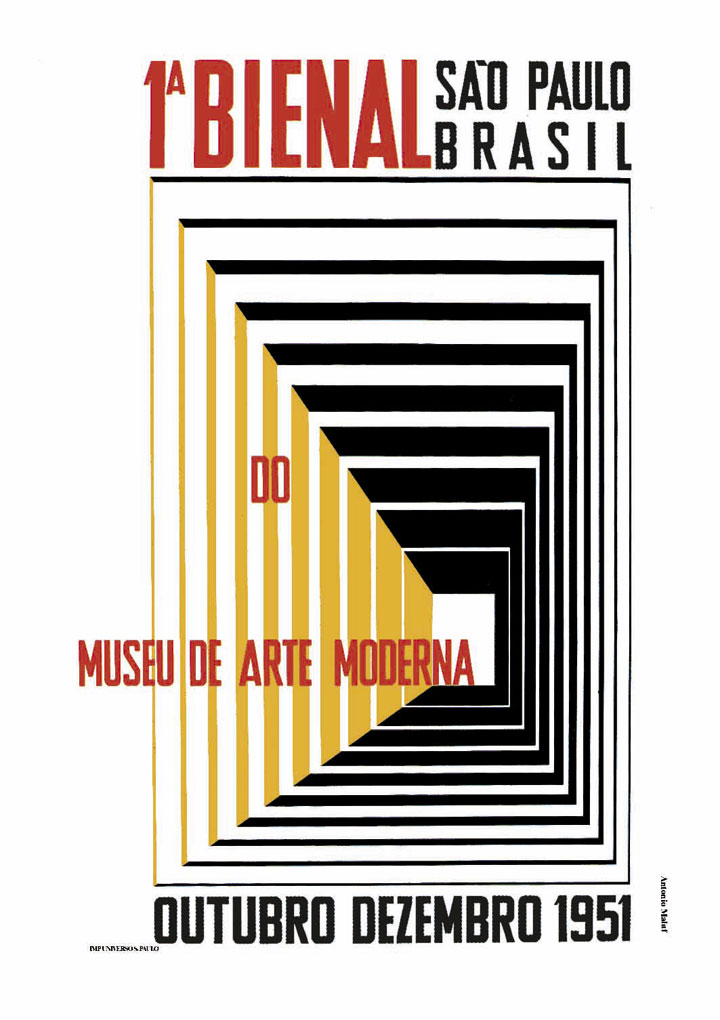
Autoria: Antônio Maluf
2 bienal sp
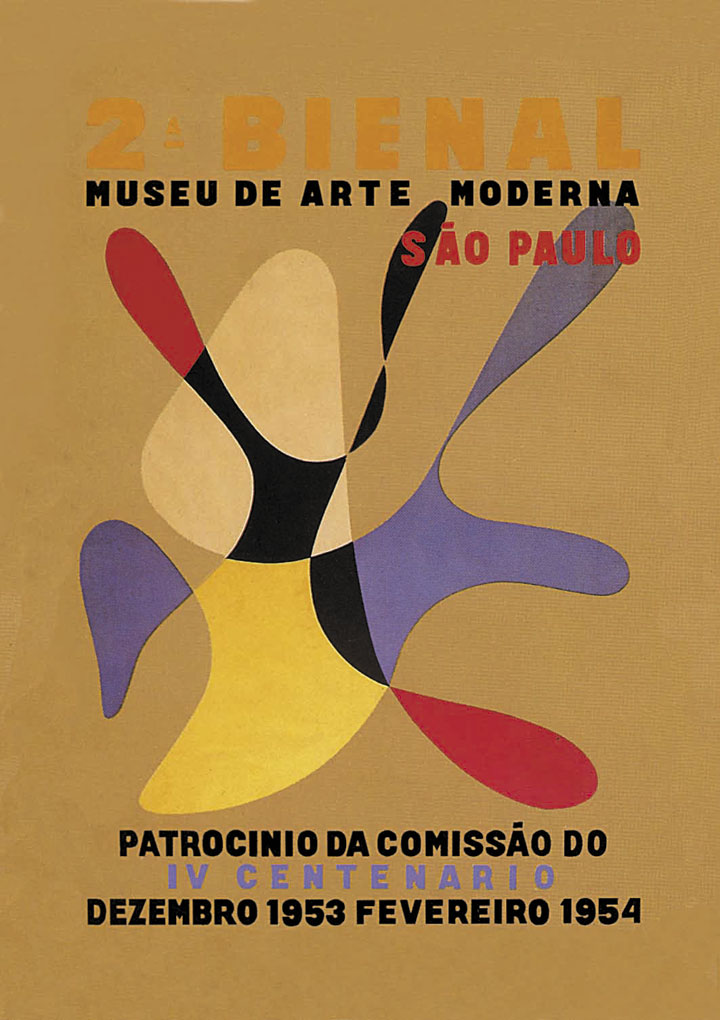
Autoria: Antônio Bandeira
3 bienal sp
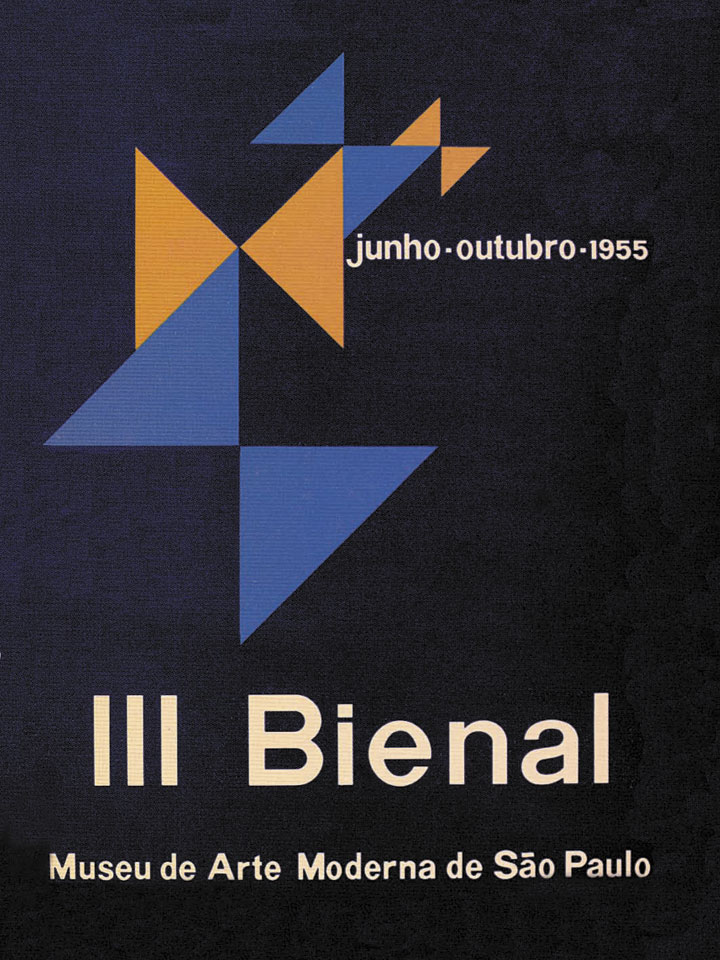
Autoria: Alexandre Wollner
4 bienal sp
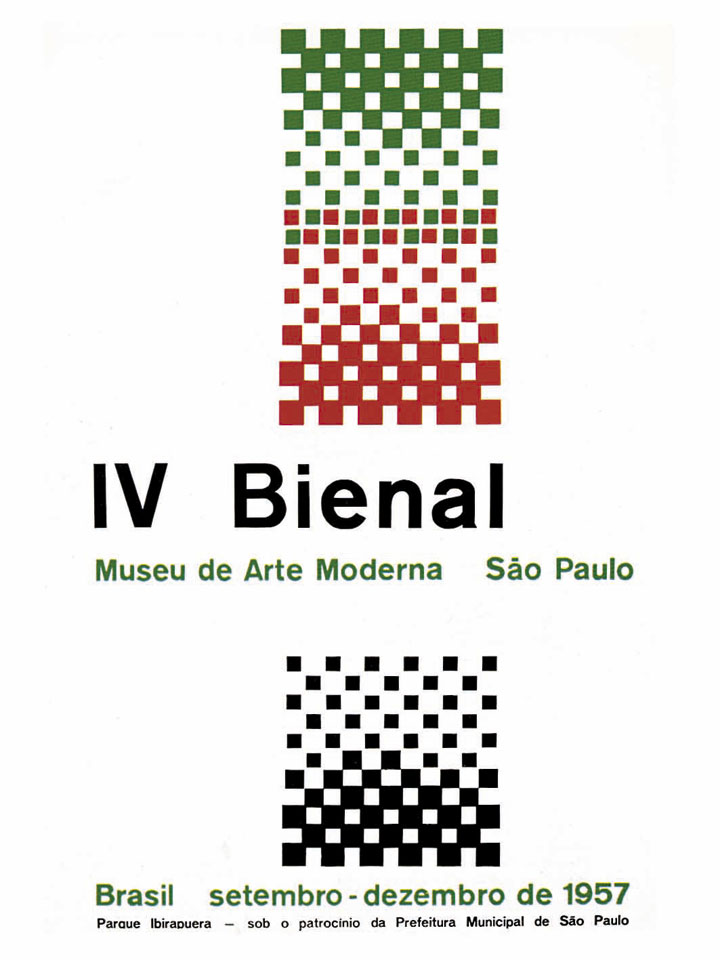
Autoria: Alexandre Wollner
5 bienal sp
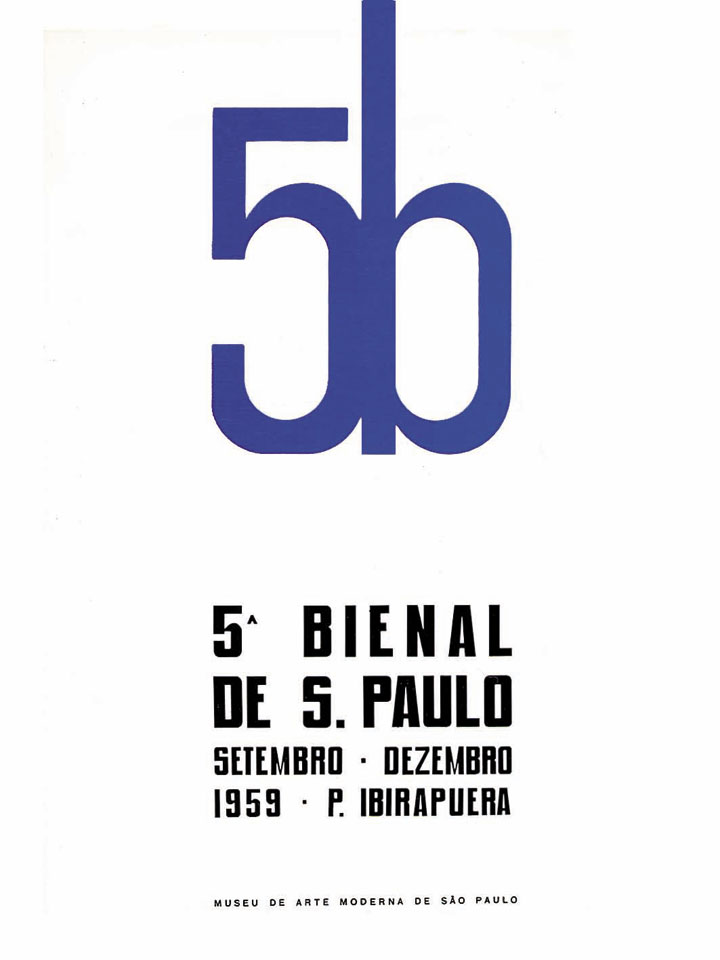
Autoria: Arnaldo Grostein
6 bienal sp

Autoria: Luís Osvaldo Vanni
7 bienal sp

Autoria: Danilo Di Prete
8 bienal sp
Autoria: Dércio Bassani
9 bienal sp
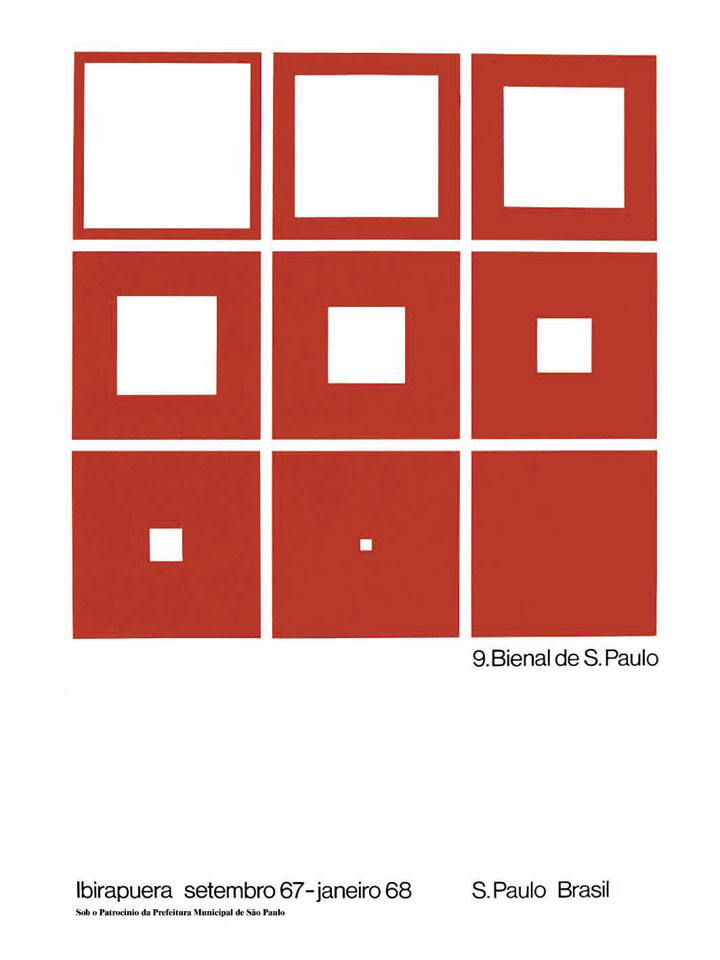
Autoria: Gobel Weyne
10 bienal sp
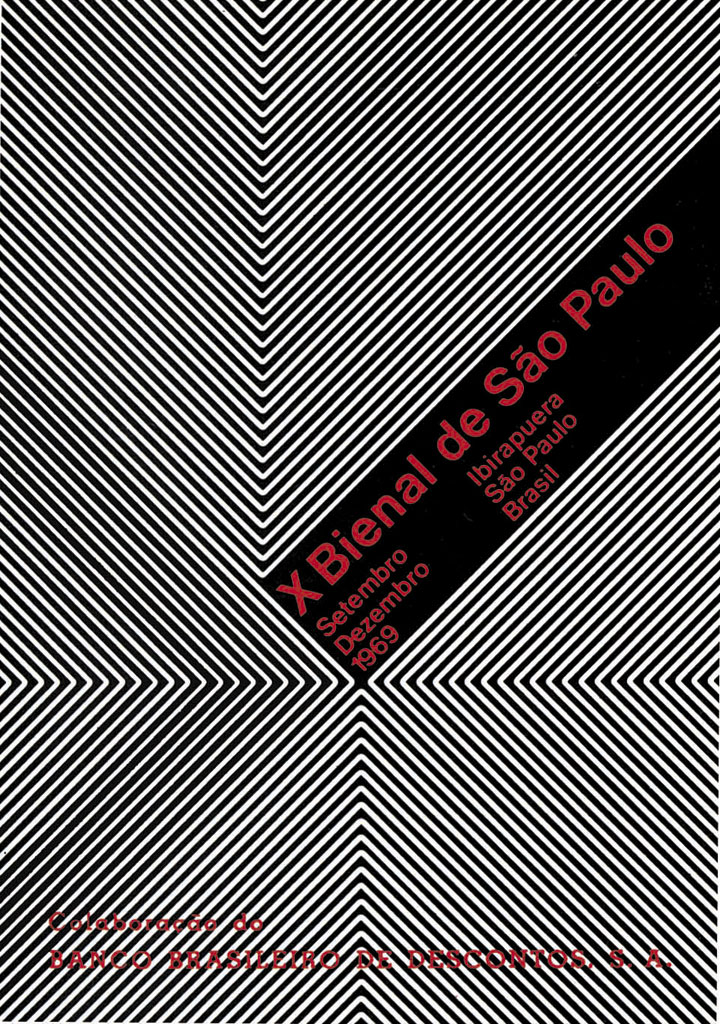
Autoria: Maria Argentina Bibas
11 bienal sp

Autoria: Godubin Belmonte e Moacyr Rocha
12 bienal sp
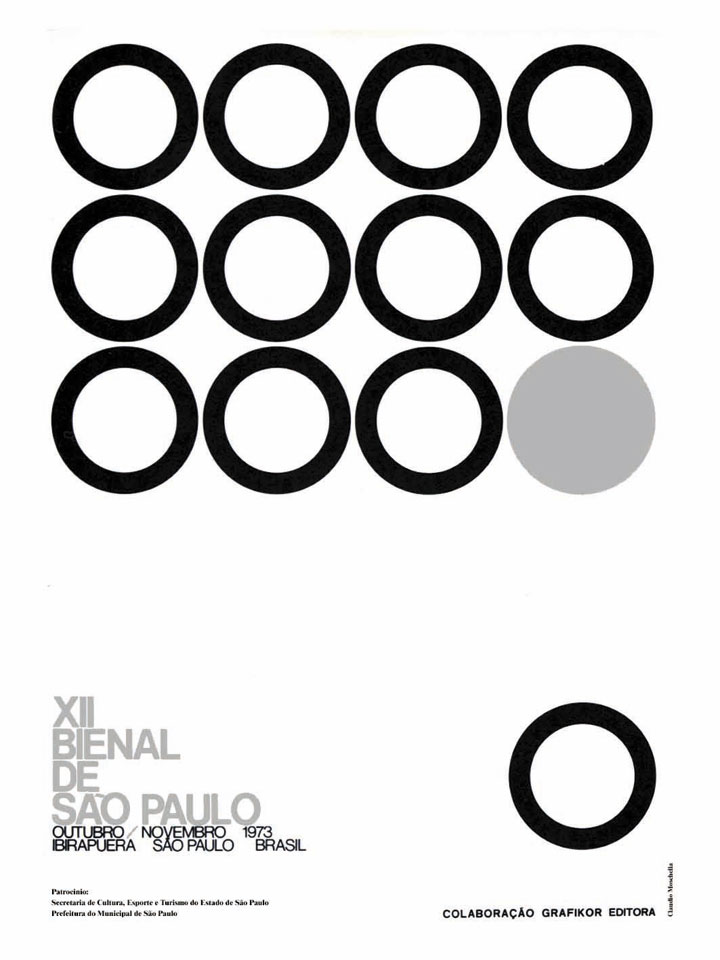
Autoria: Cláudio Moschella

14 bienal sp
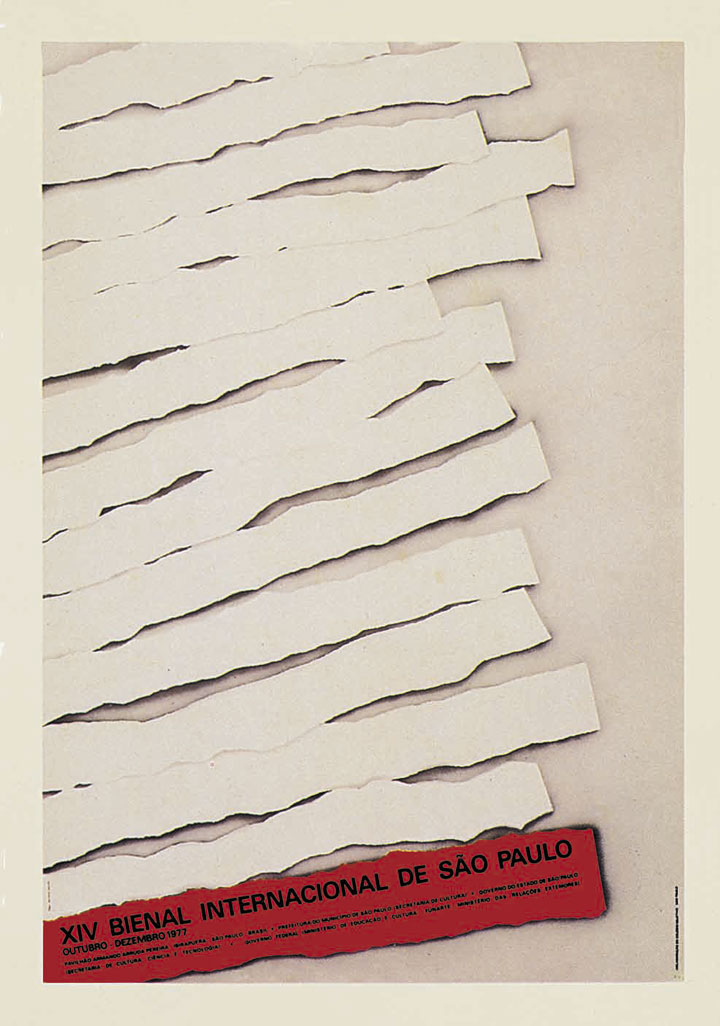
Autoria: Regis Madureira Cardieri
15 bienal sp
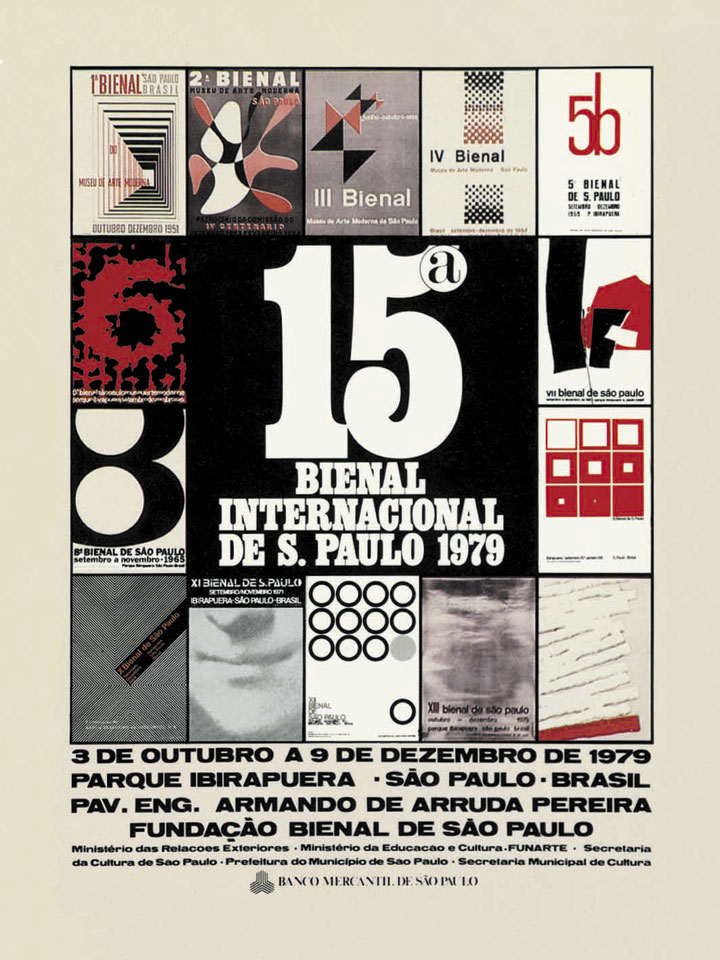
Autoria: Carlos Clémen
16 bienal sp

Autoria: Cláudio Moschella
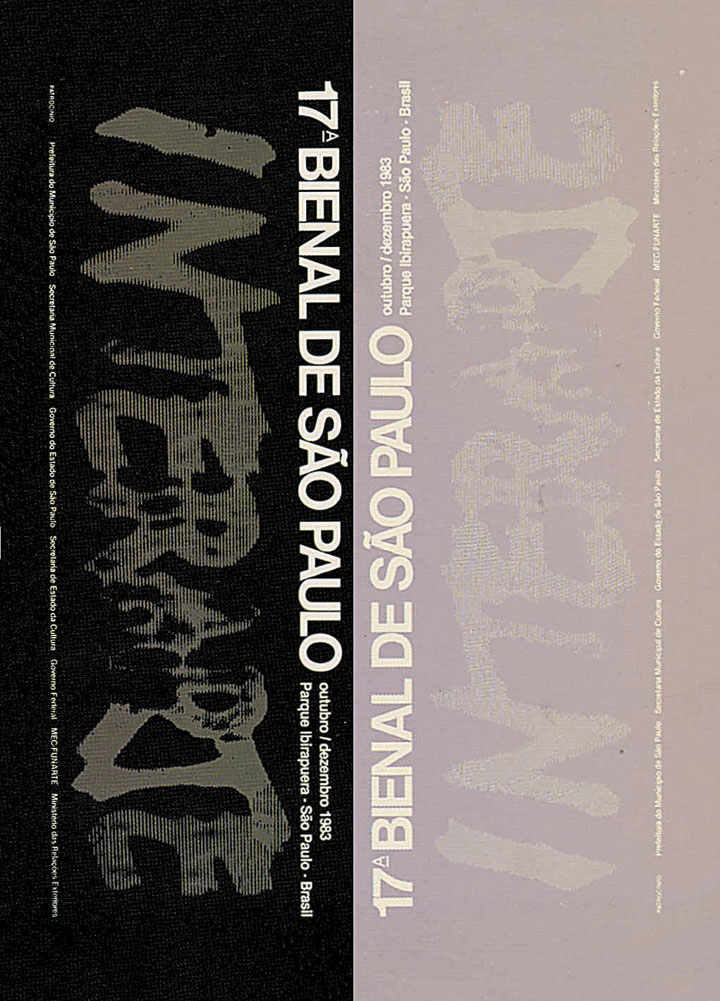
18 bienal sp
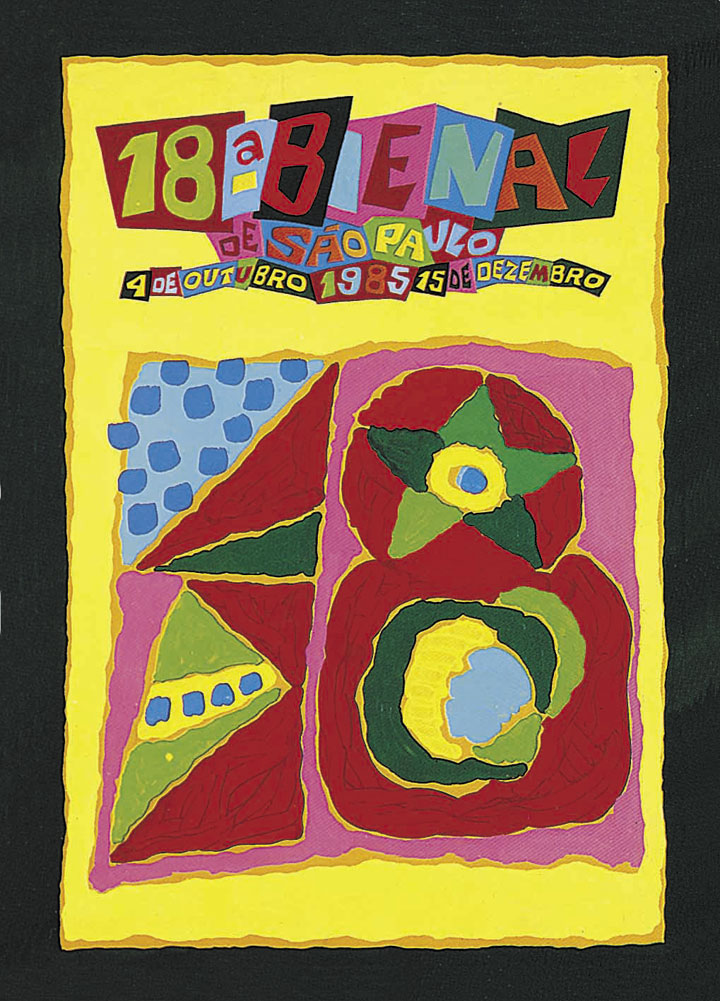
Autoria: Cláudia Stamacchia
19 bienal sp
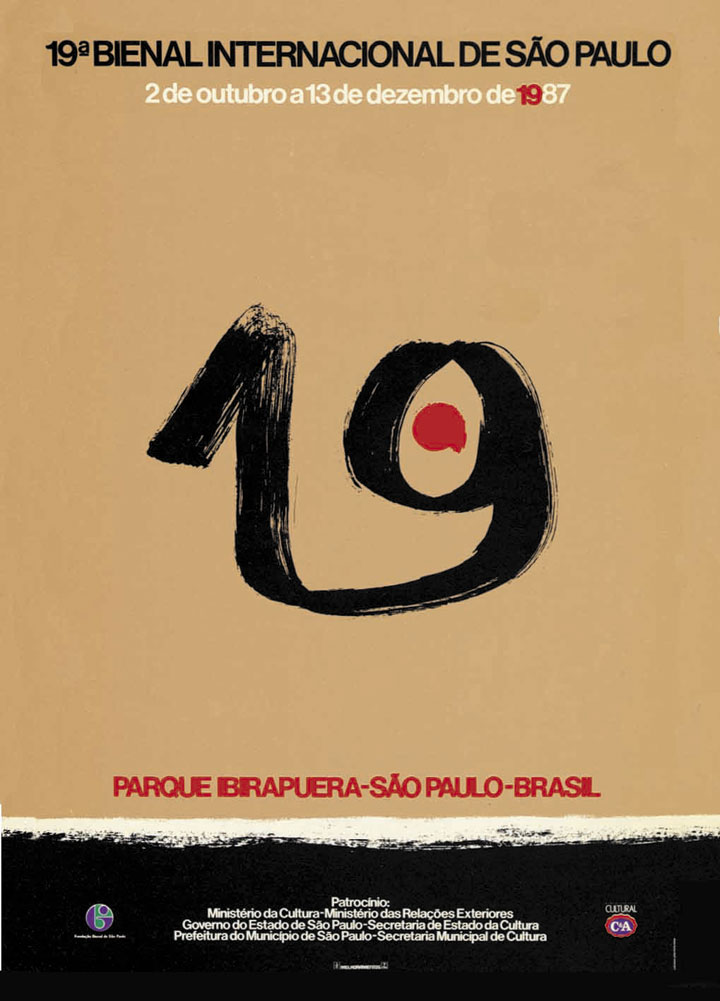
Autoria: José Maria Lopez Prieto
20 bienal sp
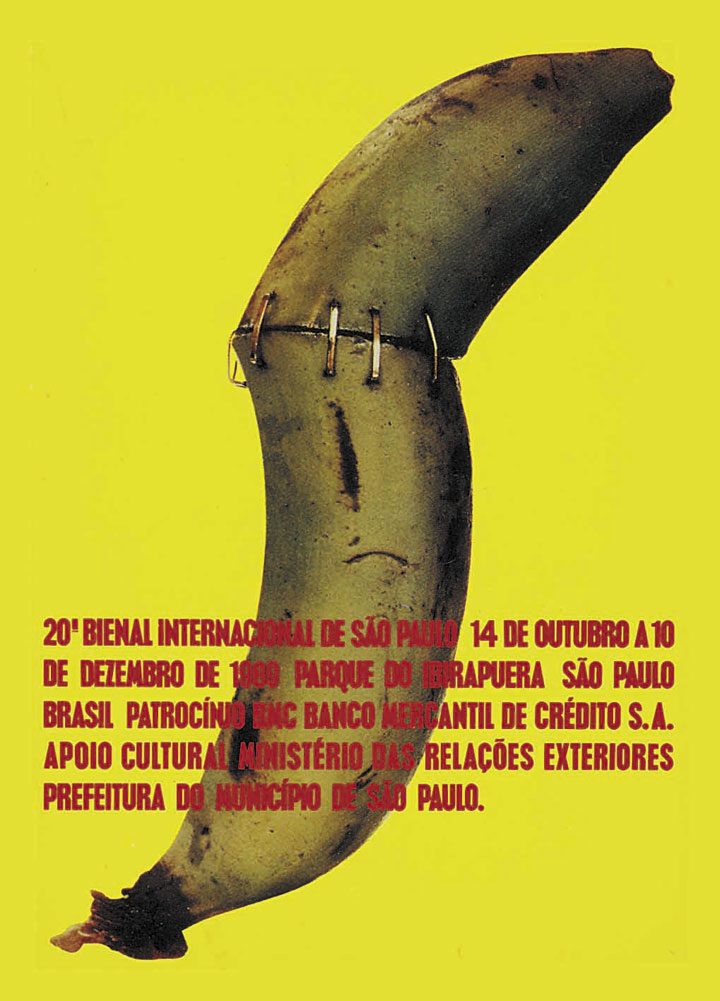
Autoria: Rodolfo Vanni
21 bienal sp
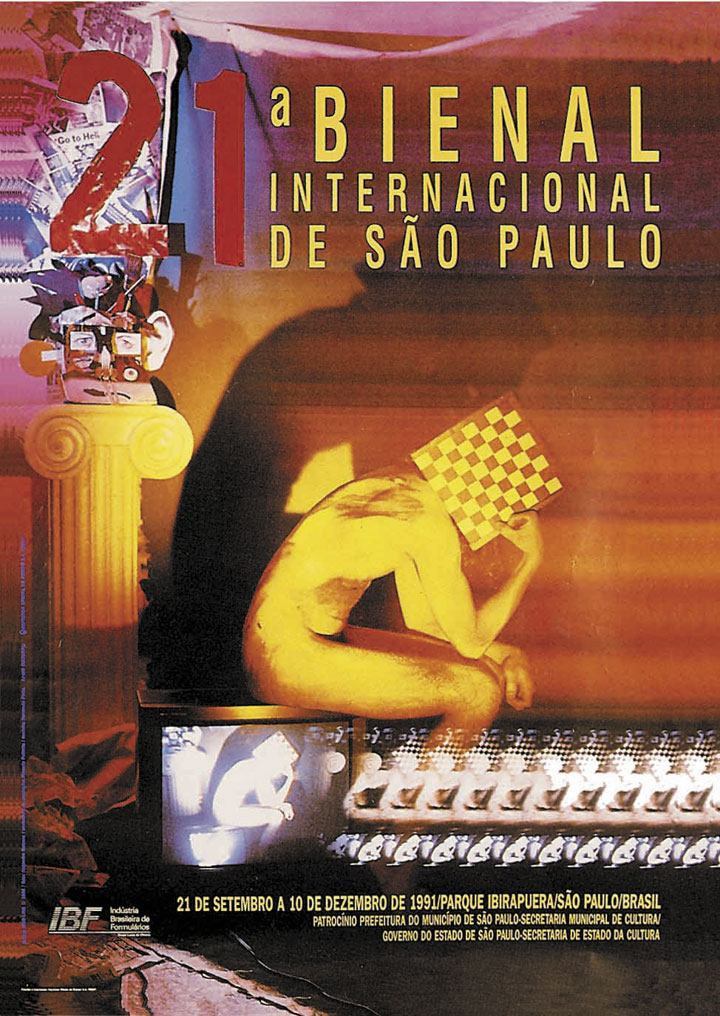
Autoria: Rico Lins
22 bienal sp
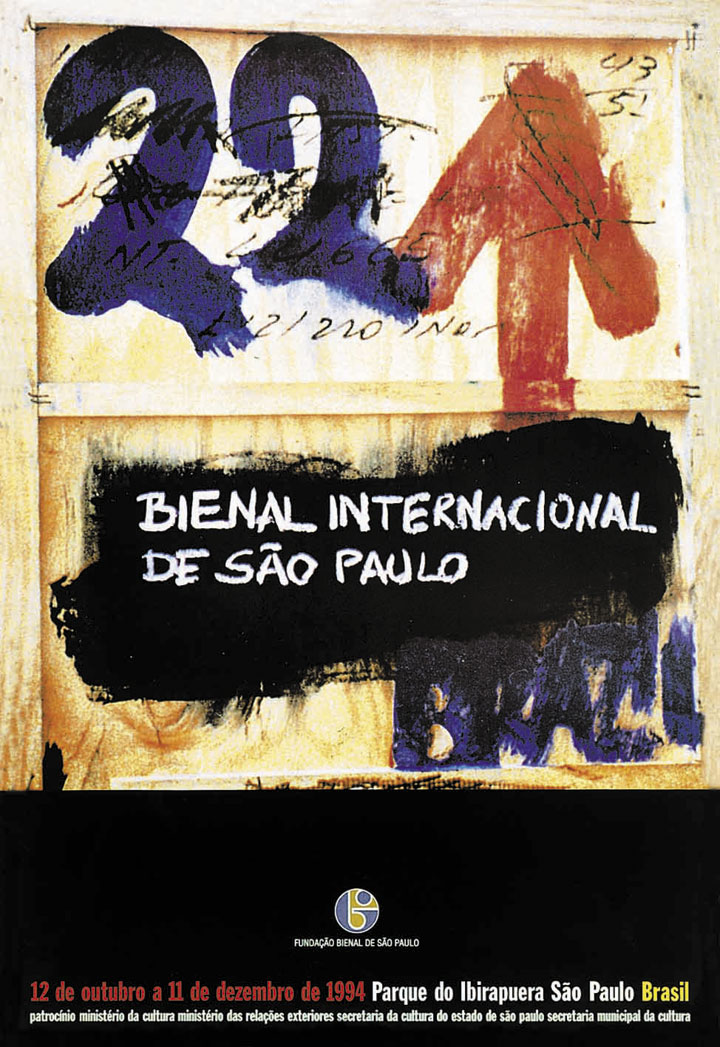
Autoria: Fernando Bakos
23 bienal sp
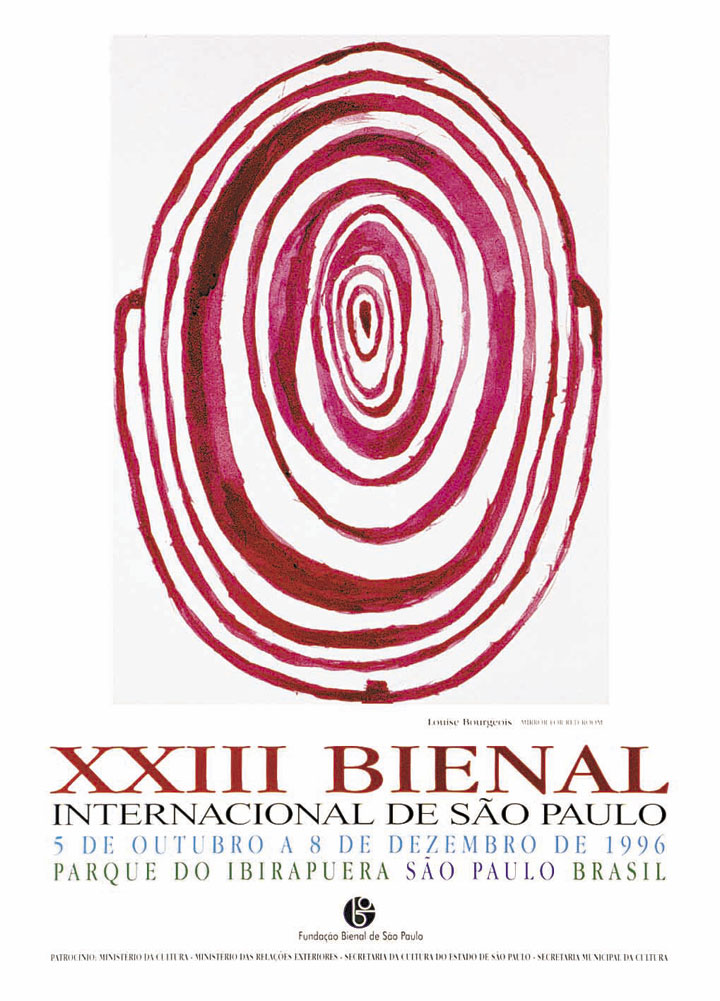
Autoria: Louise Bourgeois
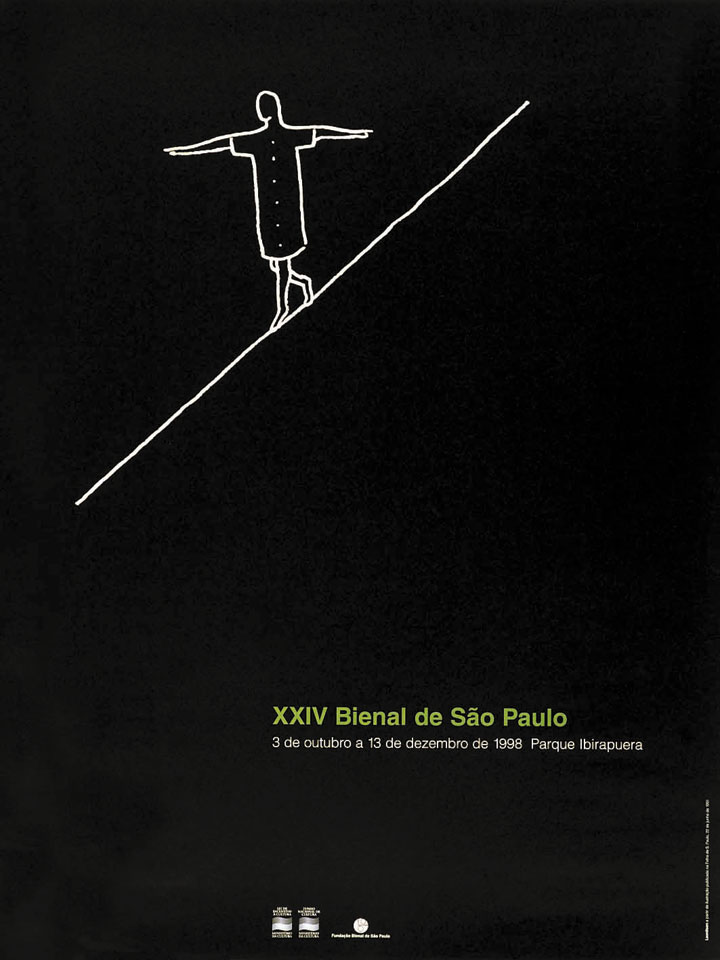
25 bienal sp
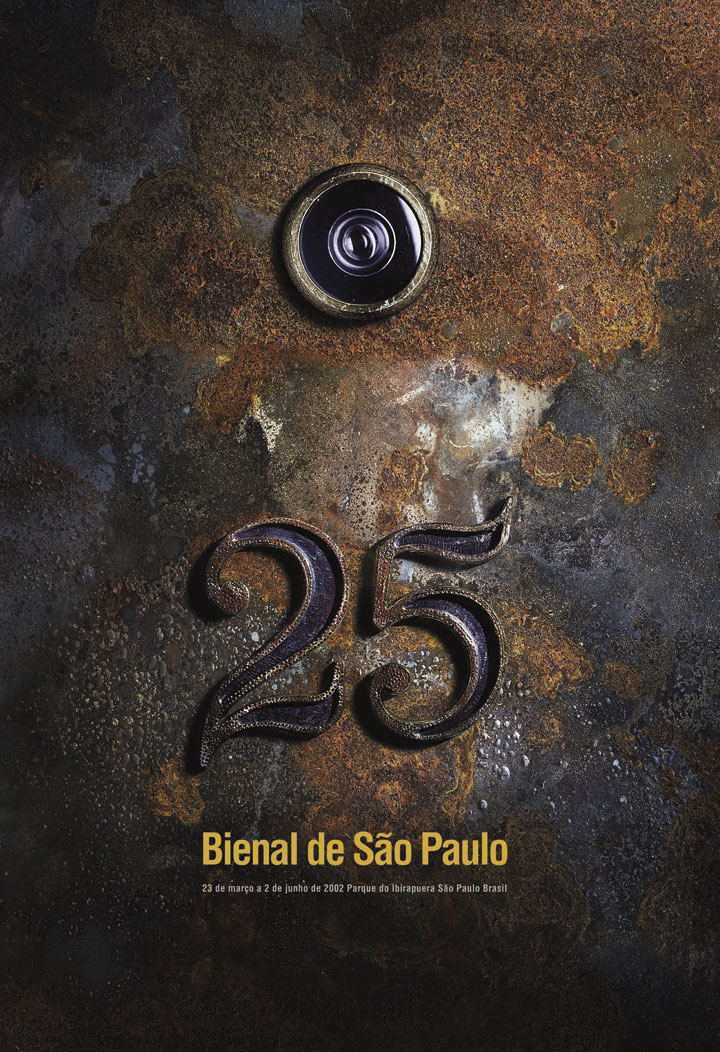
Autoria: Benjamin Yung e Guilherme Facci
26 bienal sp
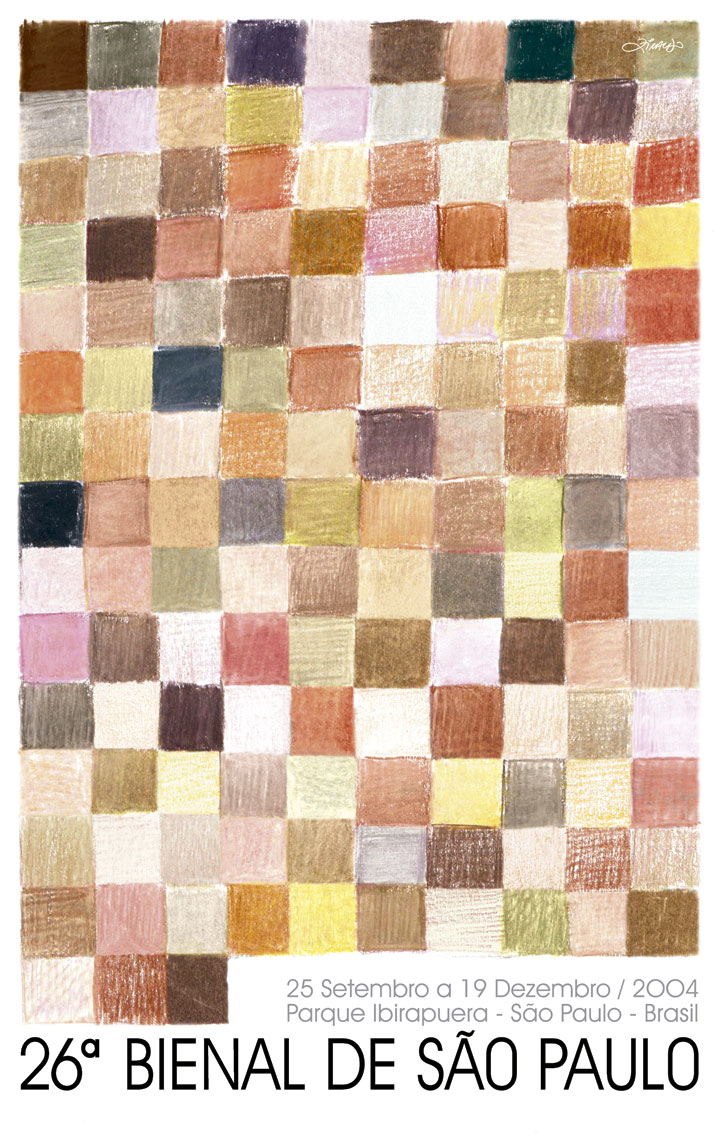
Autoria: Ziraldo
27 bienal sp
![O artista argentino Jorge Macchi procurou pensar a imagem de um cartaz não ilustrativo do evento, mas que dialogasse com as propostas da 27ª edição, de modo que optou pela utilização da fotografia de um fragmento da obra de sua autoria Speaker’s corner [Canto do orador] (2002), na qual a presença de aspas isoladas de recortes de jornal evoca uma convivência de frases e oradores. É uma imagem ambivalente: por um lado alude à convivência democrática dos discursos e, por outro, à sua vacuidade e paralisação. Na fotografia é visível o espaço e a característica do papel. Ao voltarem à bidimensionalidade, os fragmentos de papel não voltam a seu estado inicial no jornal. A fotografia conta a história desses recortes, interessando ao autor, especialmente, o caráter escultórico que o papel adquire quando desaparece a informação de que era suporte.](http://imgs.fbsp.org.br/files/27bsp-poster-720px.jpg)
Autoria: Jorge Macchi; Rodrigo Cerviño Lopez
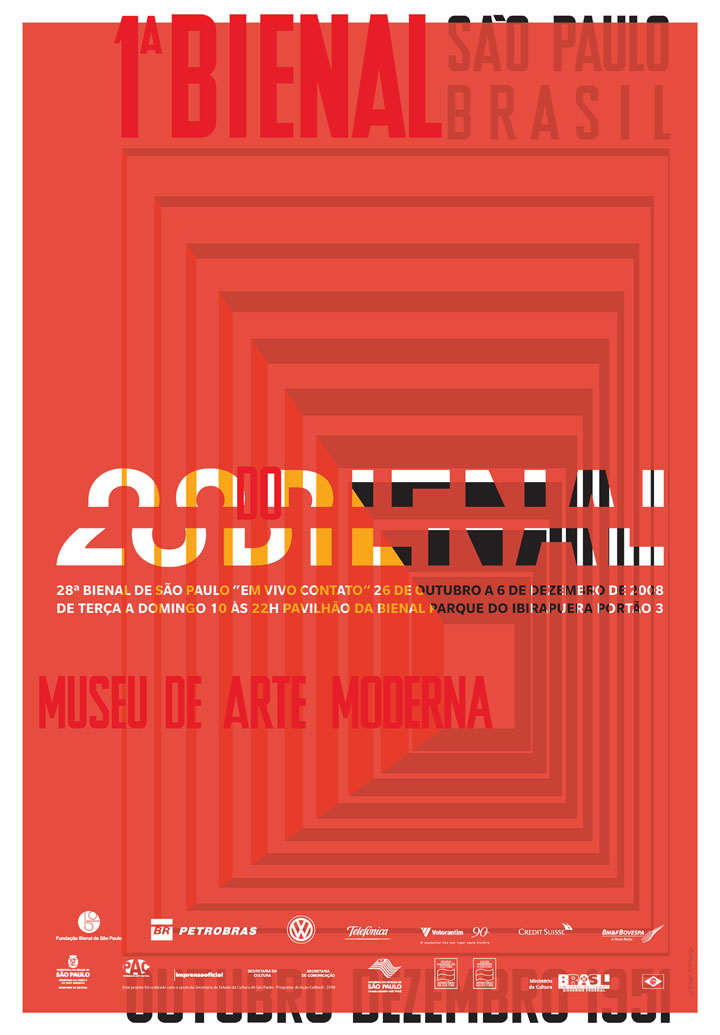
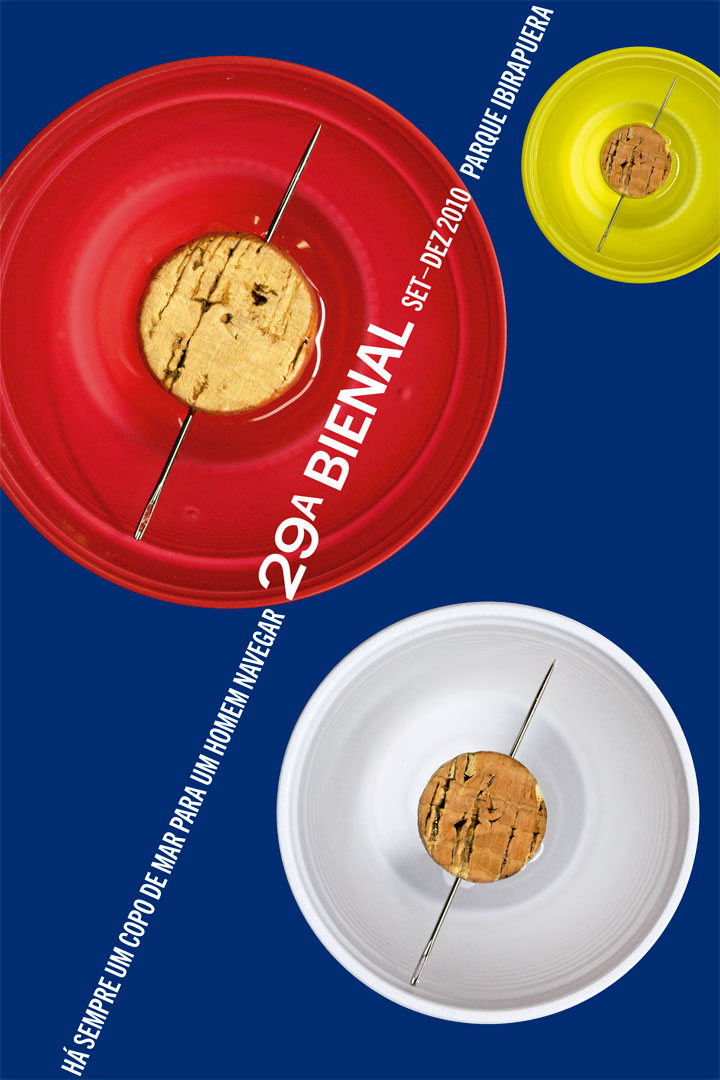
30 bienal sp
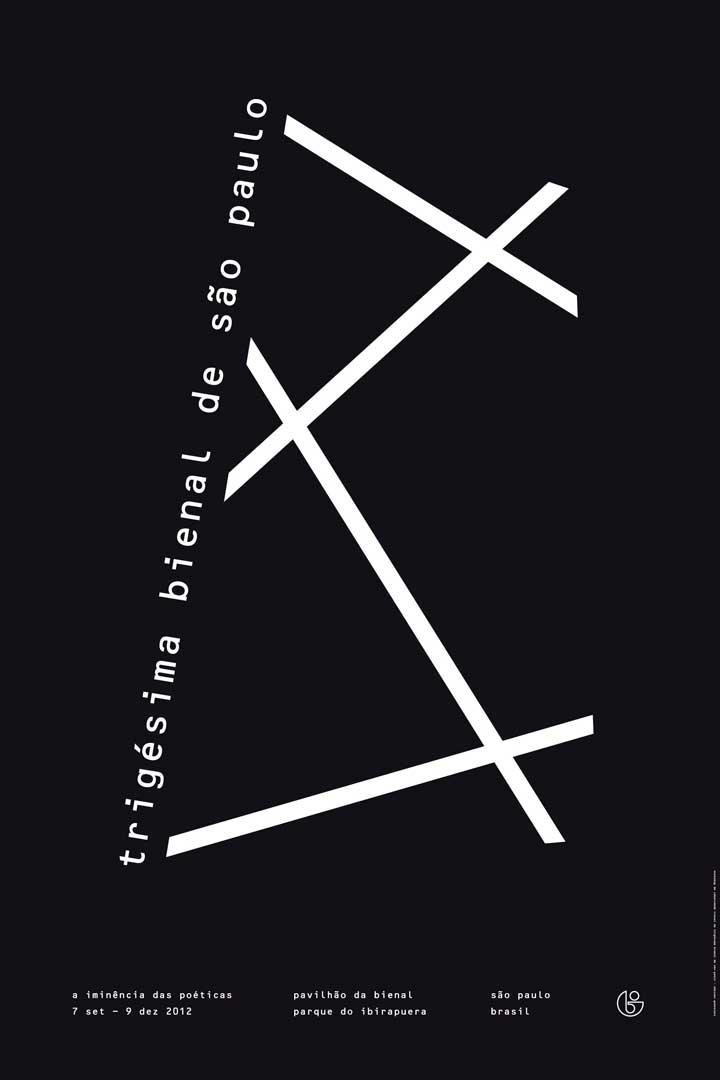
Autoria: Adriano Guarnieri
30 bienal sp

Autoria: André Noboru
30 bienal sp
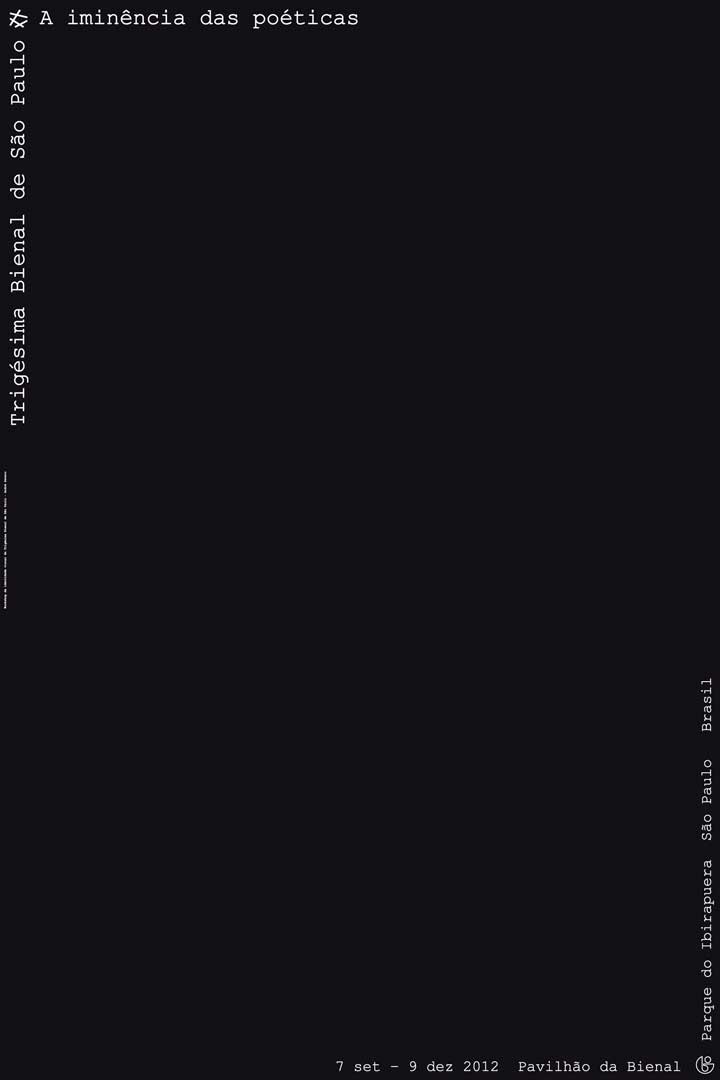
Autoria: André Severo
30 bienal sp
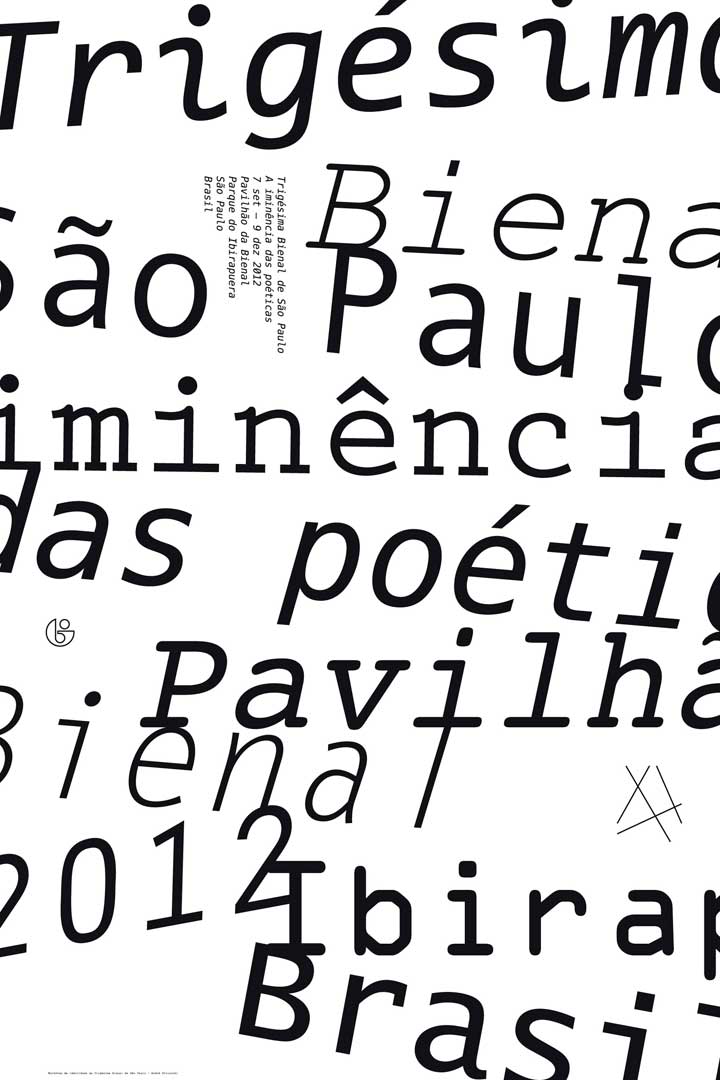
Autoria: André Stolarski
30 bienal sp
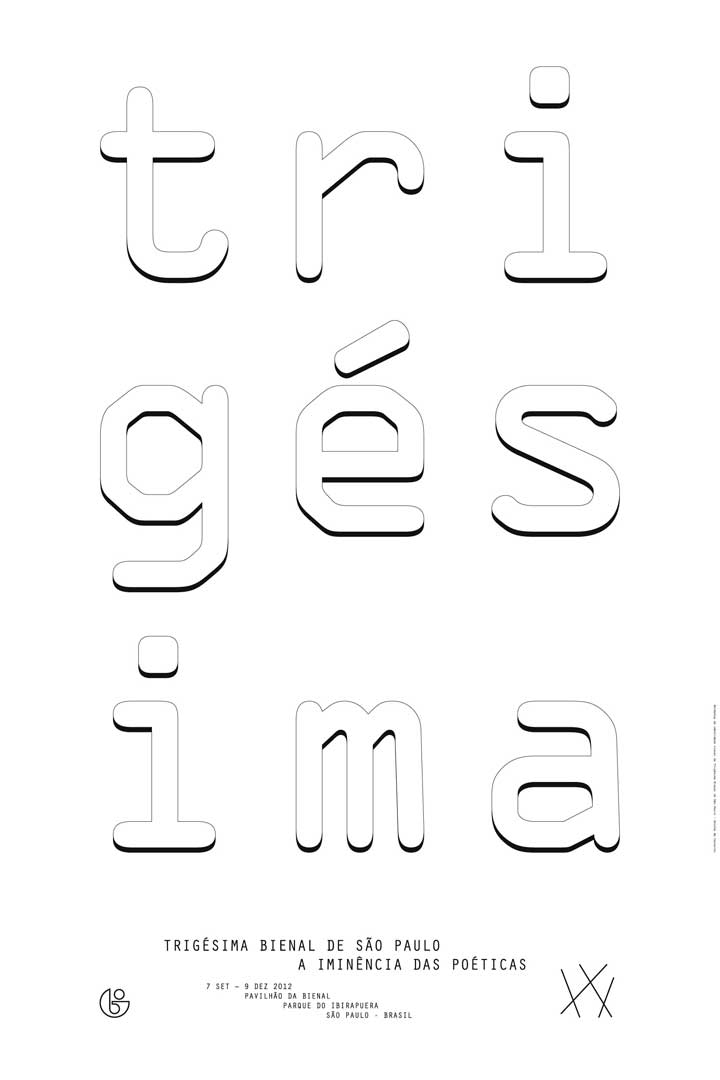
Autoria: Aninha de Carvalho
30 bienal sp
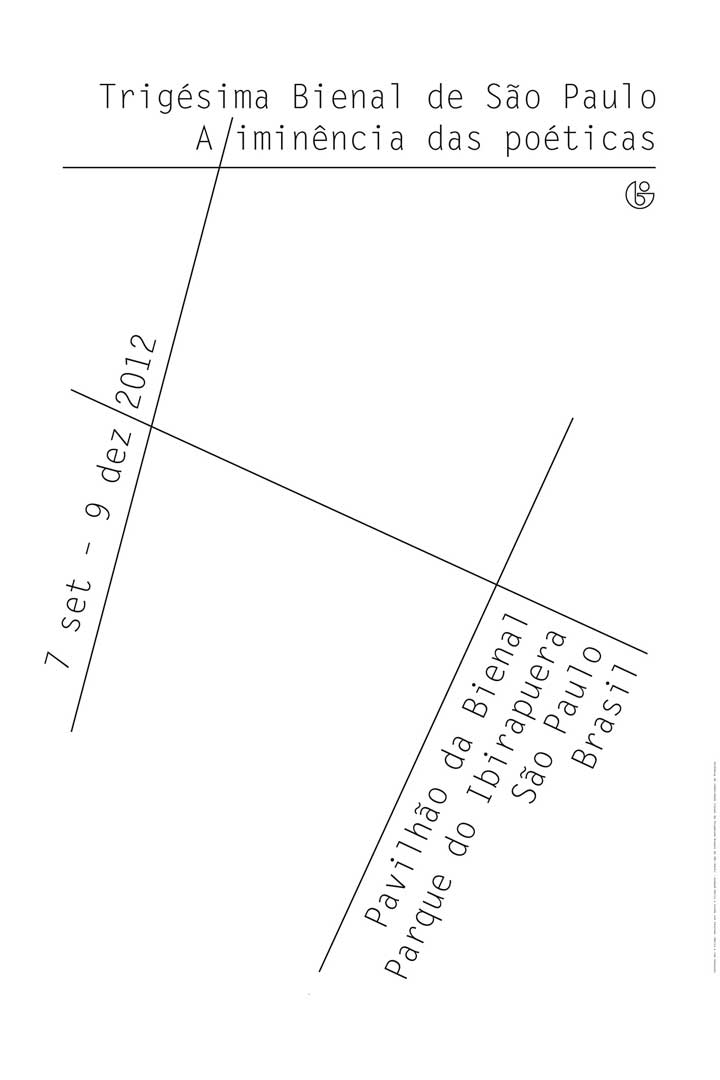
Autoria: Armand Mevis e Linda Van Deursen
30 bienal sp
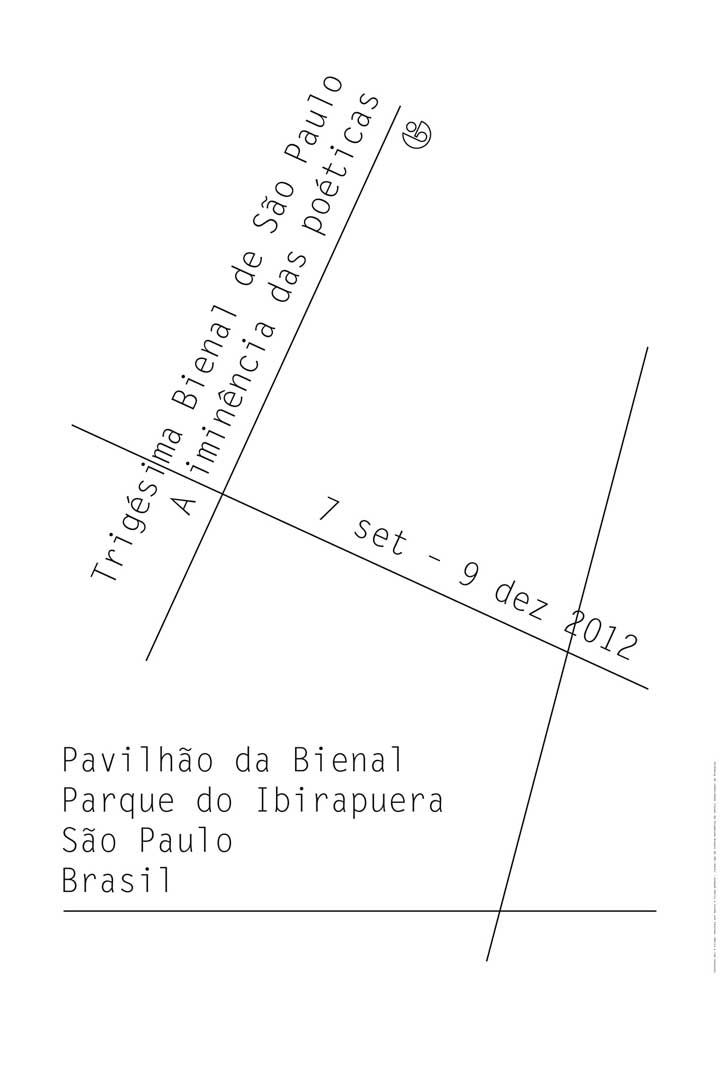
Autoria: Armand Mevis e Linda Van Deursen
30 bienal sp
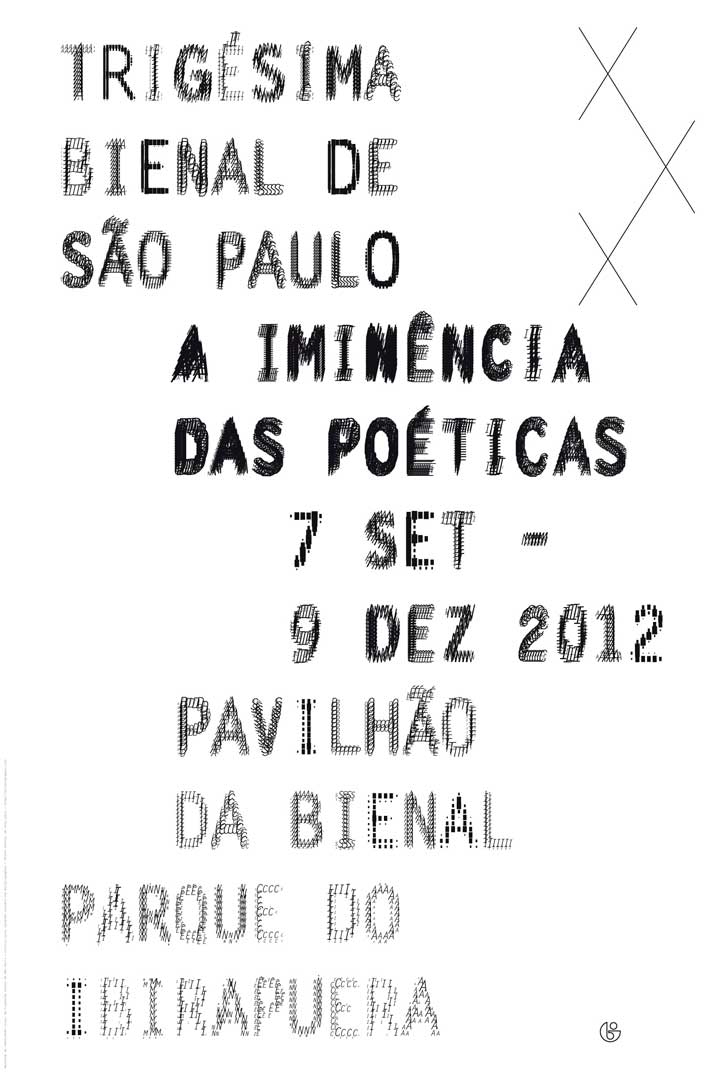
Autoria: Cecília Oliveira da Costa
30 bienal sp
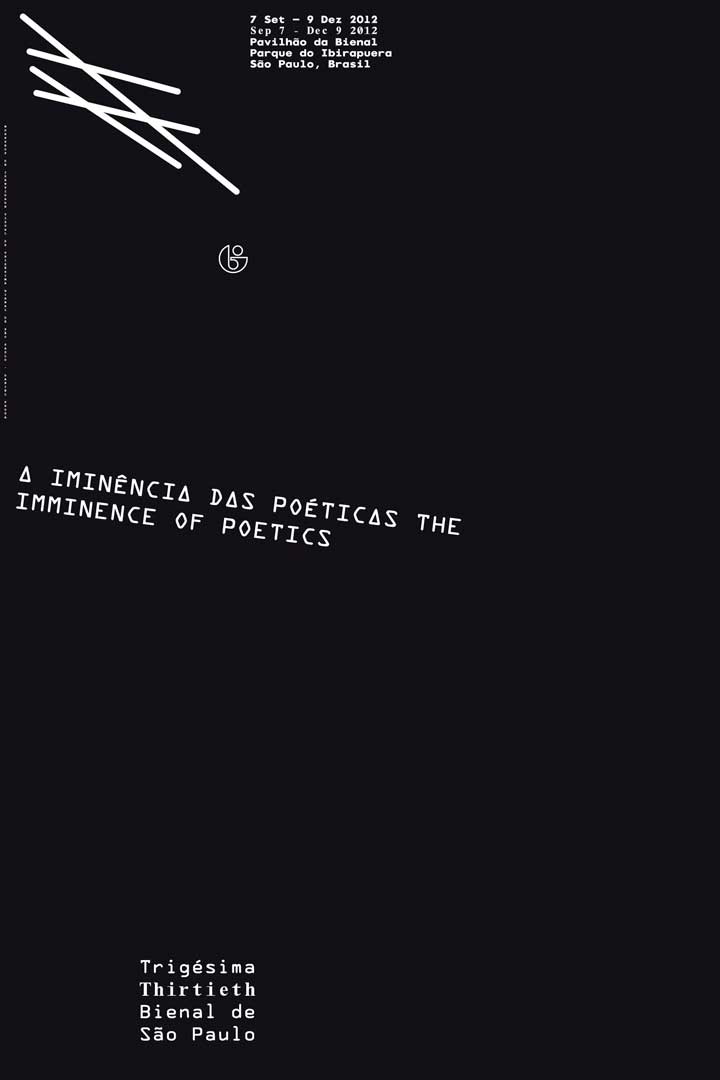
Autoria: Daniel Frota de Abreu
30 bienal sp
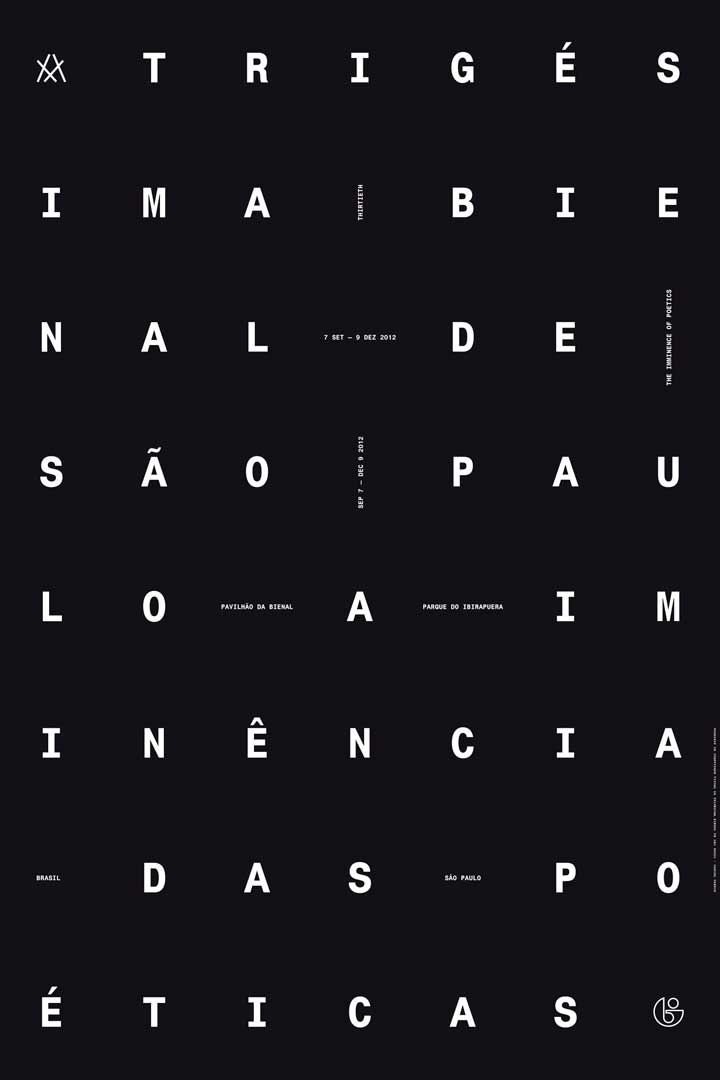
Autoria: Daniel Trench
30 bienal sp
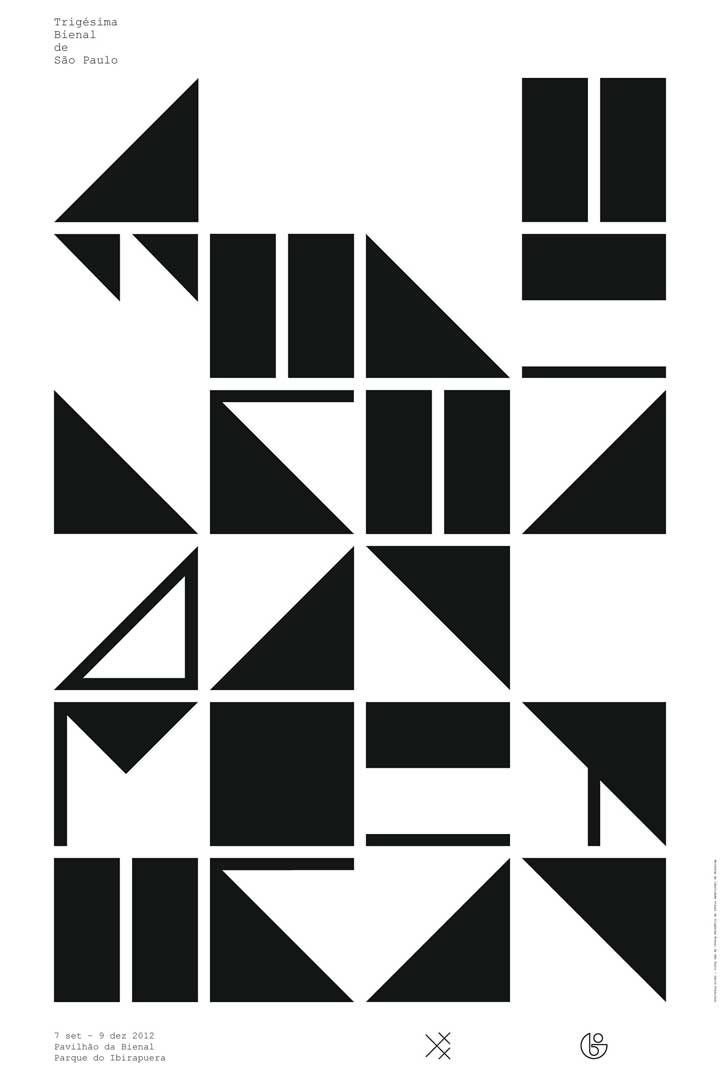
Autoria: David Francisco
30 bienal sp
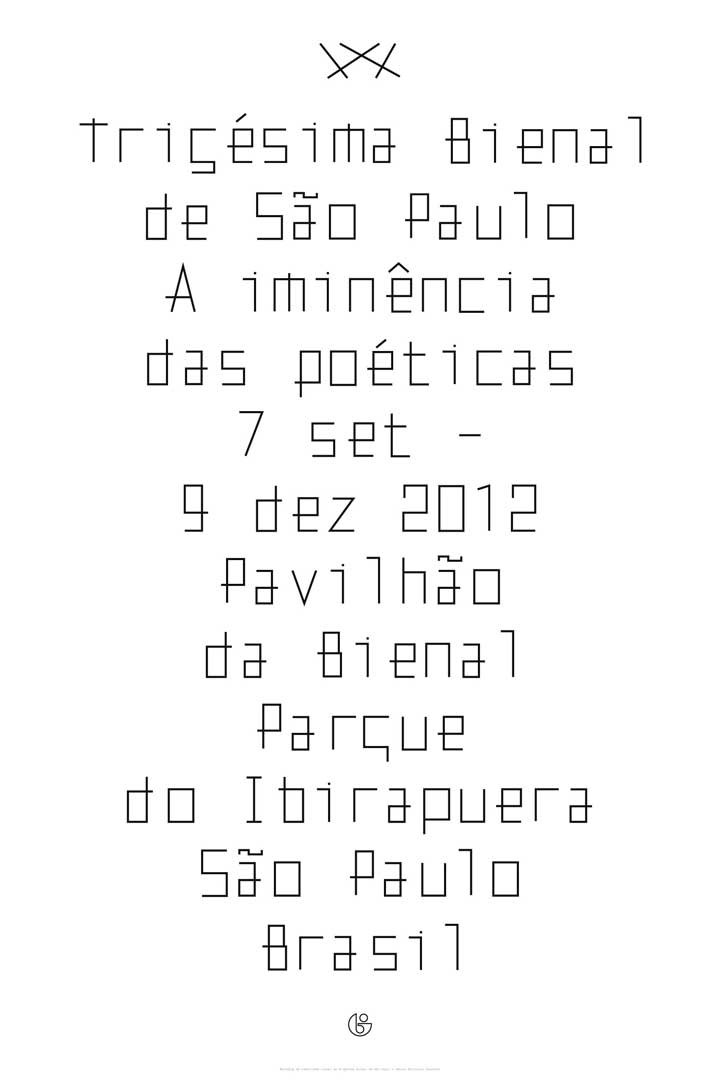
Autoria: Débora Falleiros Gonzales
30 bienal sp

Autoria: Douglas Higa
30 bienal sp

Autoria: Elaine Ramos
30 bienal sp
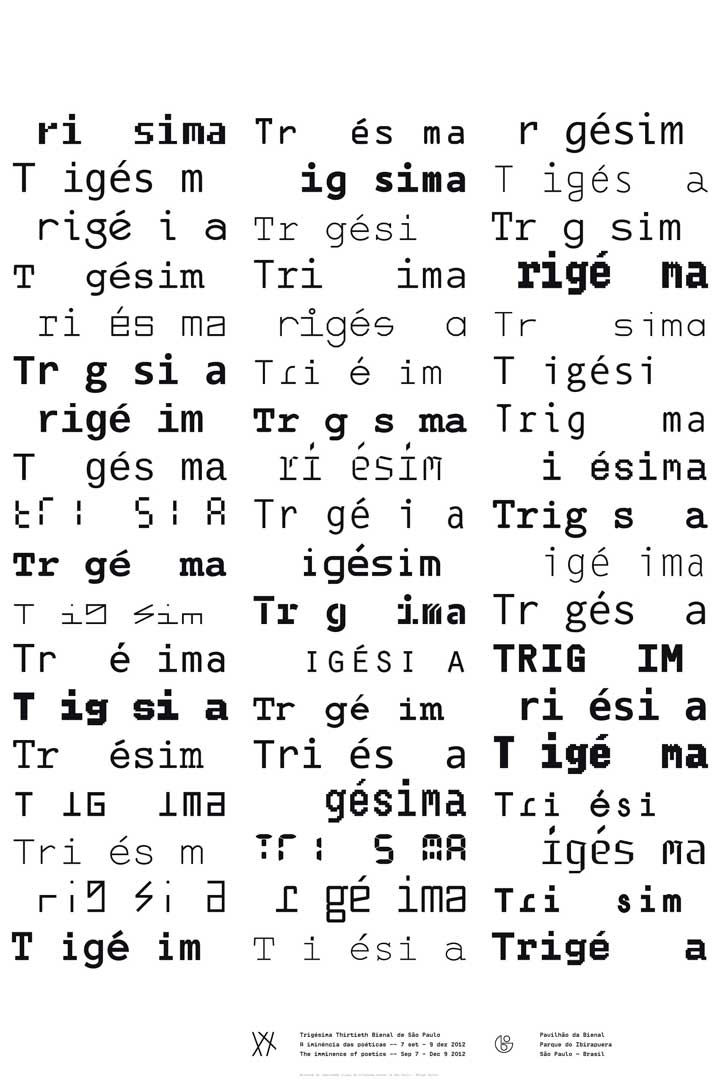
Autoria: Felipe Kaizer
30 bienal sp
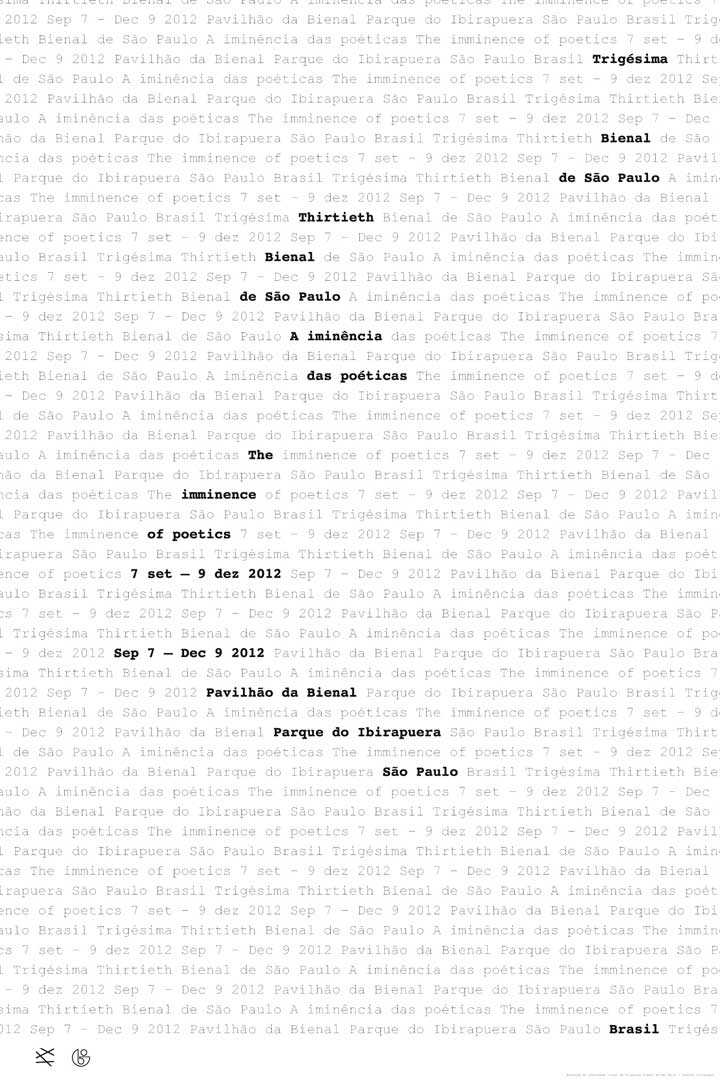
Autoria: Isabela Villanueva
30 bienal sp
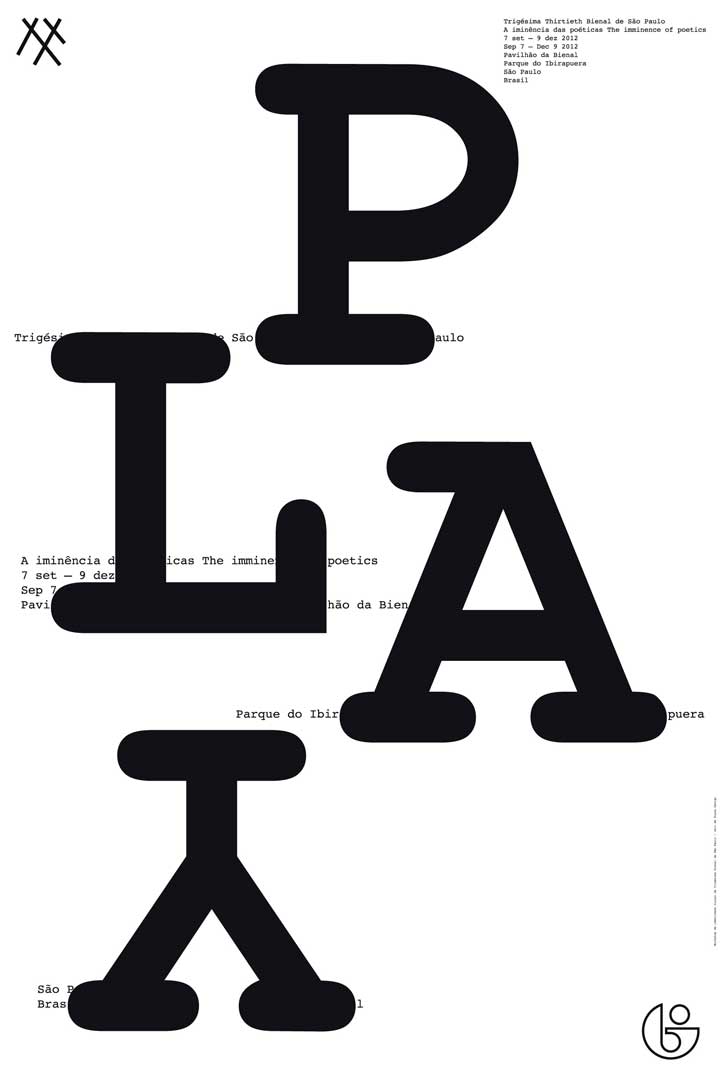
Autoria: Jair de Souza
30 bienal sp
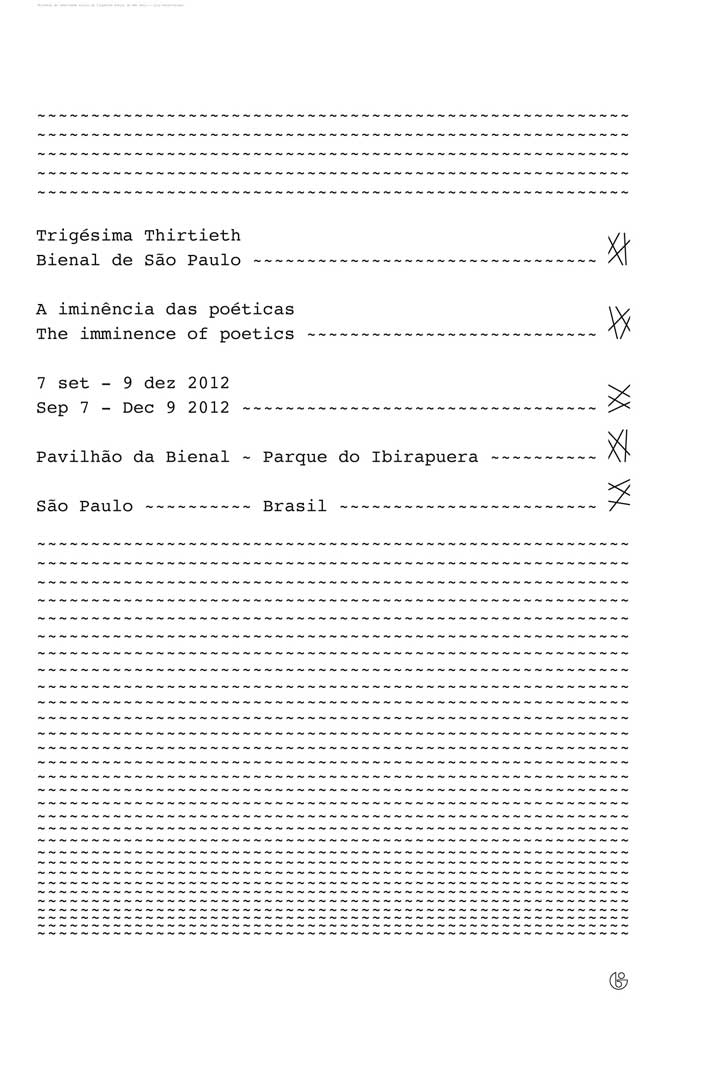
Autoria: Luis Pérez-Oramas
30 bienal sp
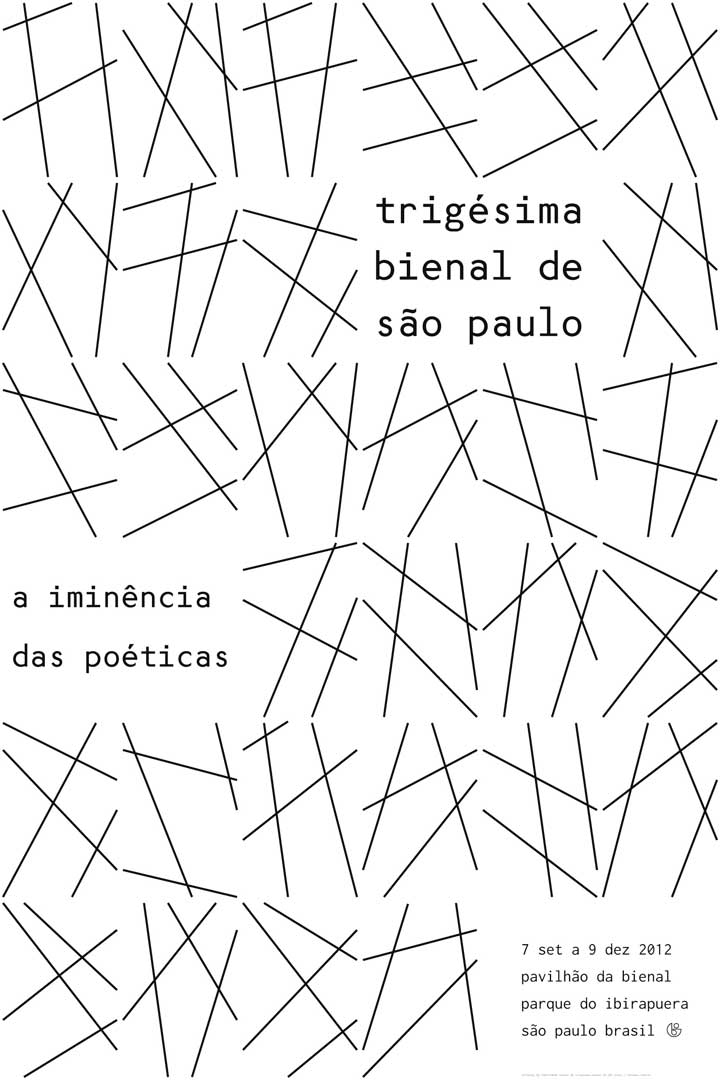
Autoria: Matheus Leston
30 bienal sp
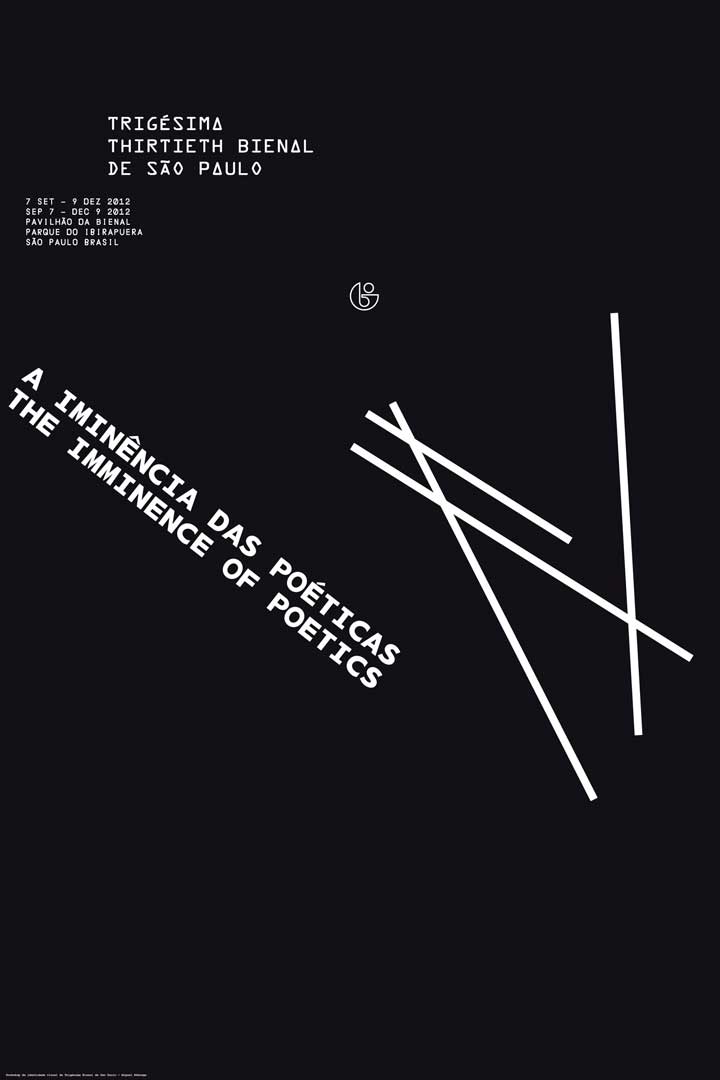
Autoria: Miguel Nobrega
30 bienal sp
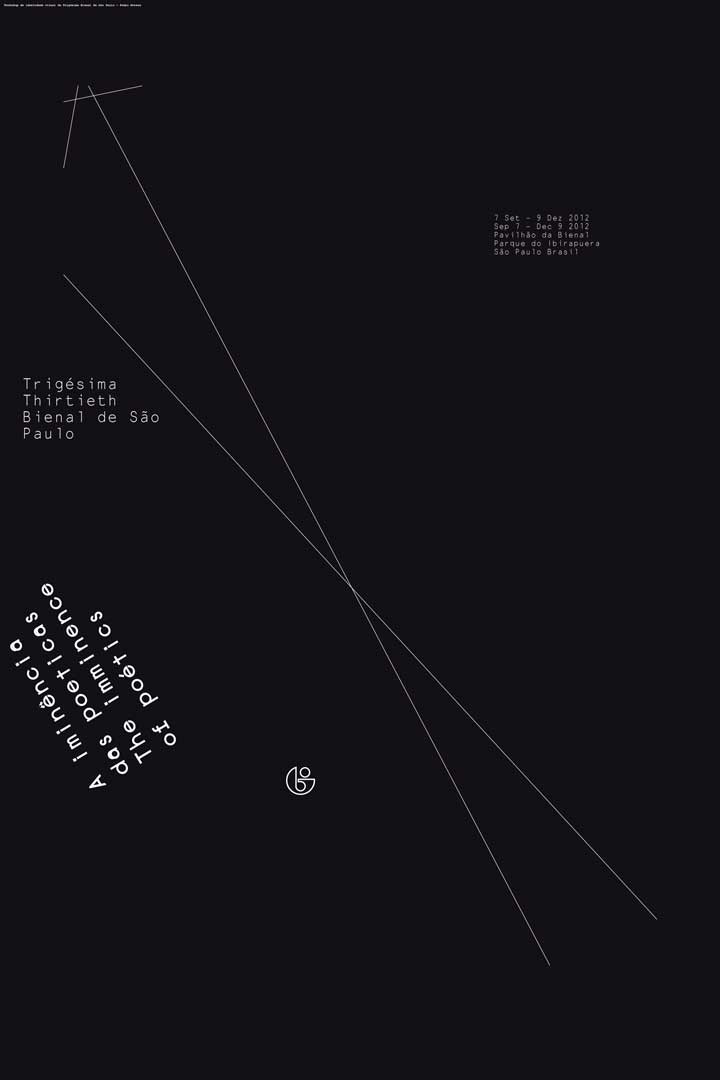
Autoria: Pedro Moraes
30 bienal sp
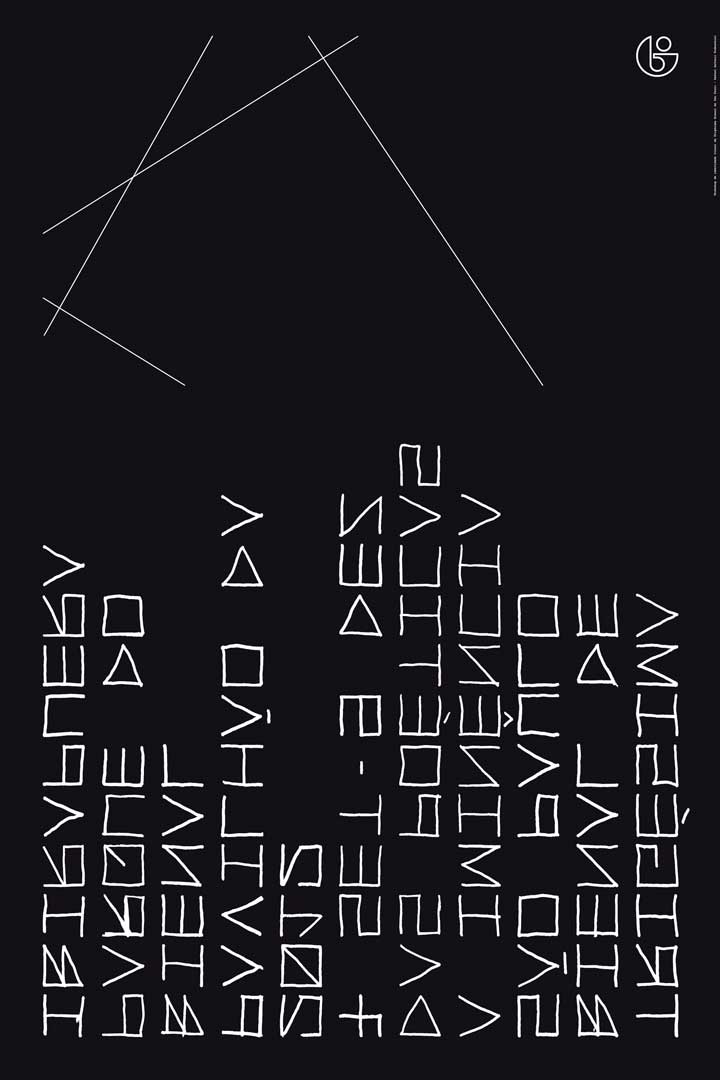
Autoria: Rafael Antônio Todeschini
30 bienal sp

Autoria: Renata Graw
30 bienal sp

Autoria: Renato Tadeu Cardilli
30 bienal sp
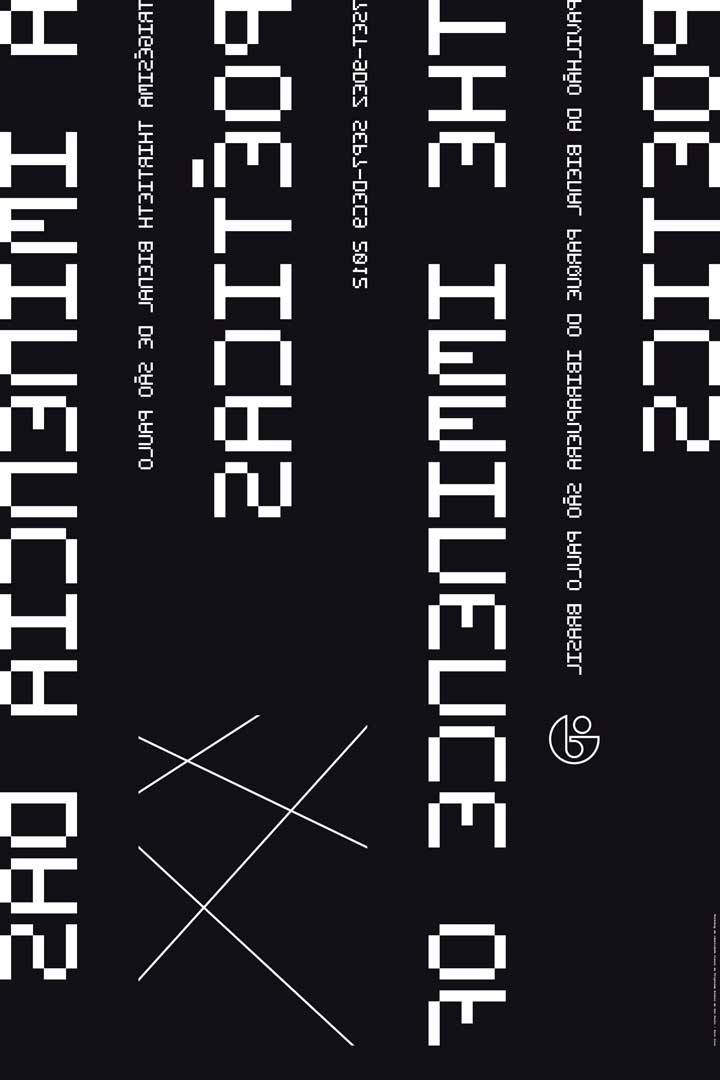
Autoria: Rico Lins
30 bienal sp
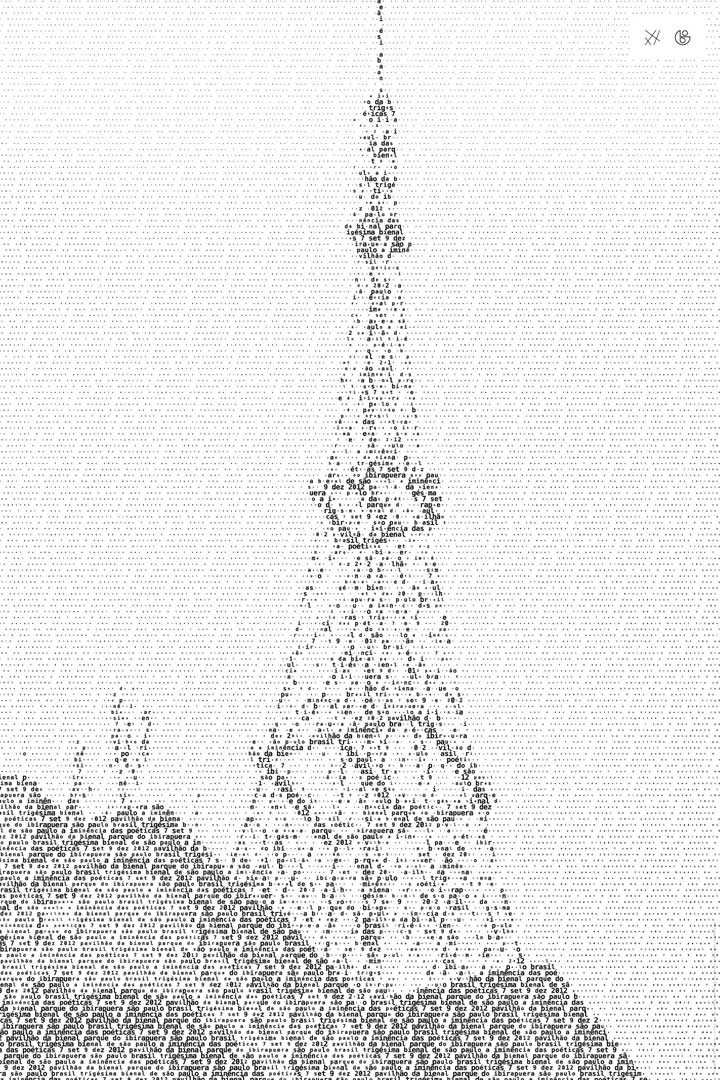
Autoria: Roman Atamanczuk
30 bienal sp
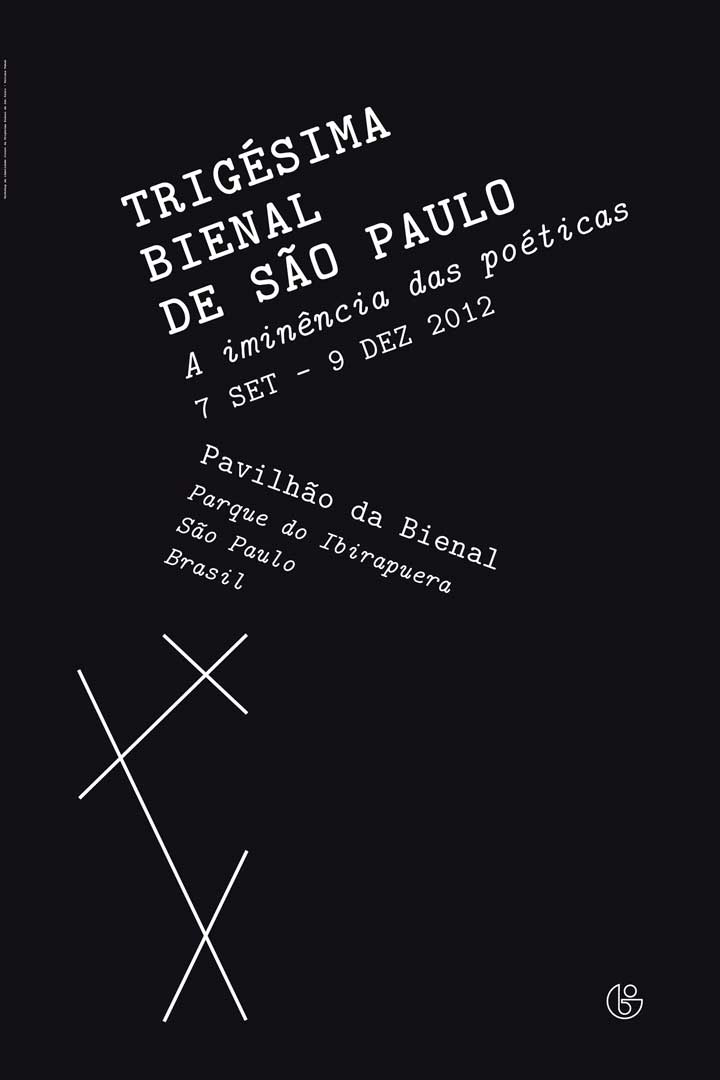
Autoria: Tatiana Tabak
30 bienal sp
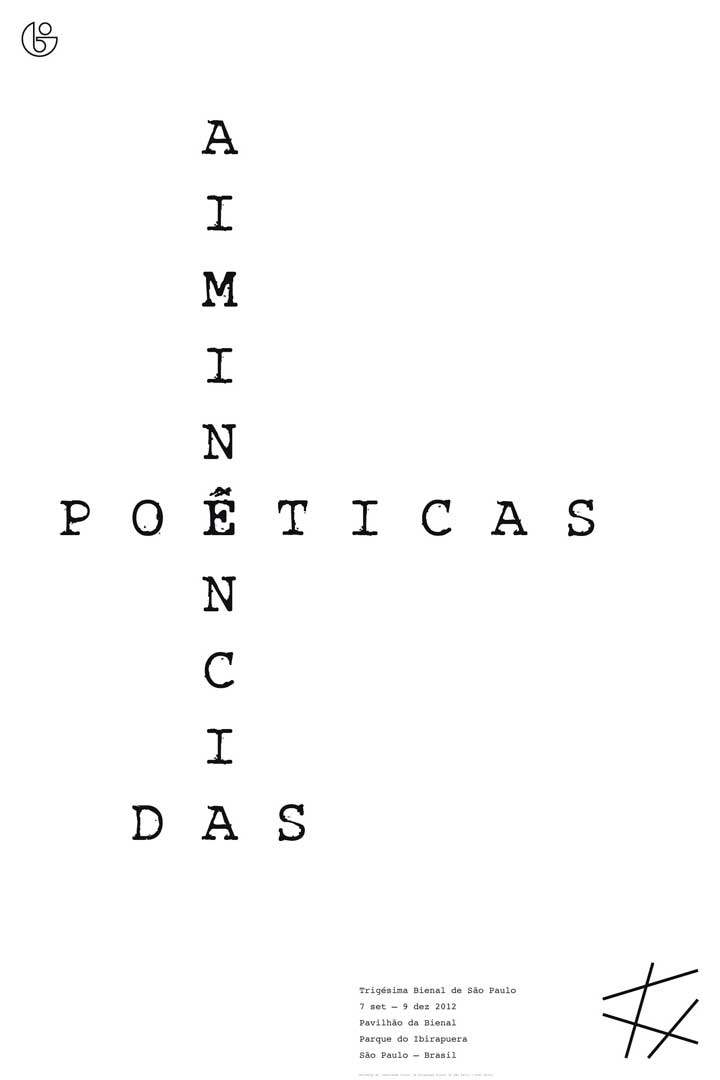
Autoria: Tobi Maier
30 bienal sp
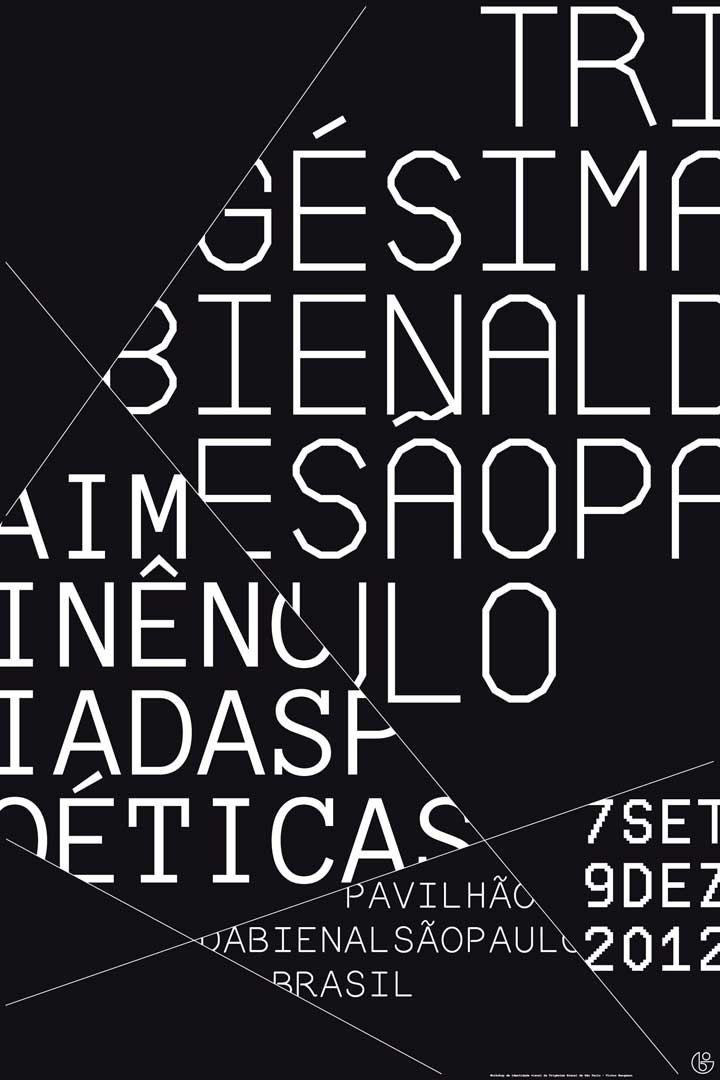
Autoria: Victor Bergmann
30 bienal sp
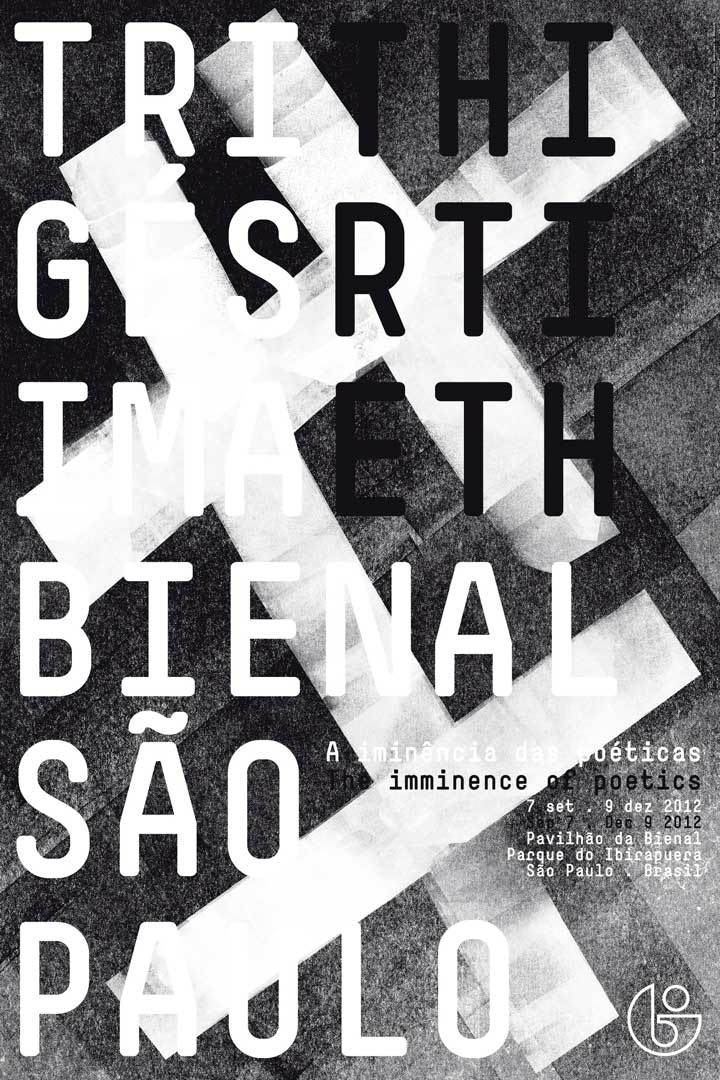
Autoria: William Hebling
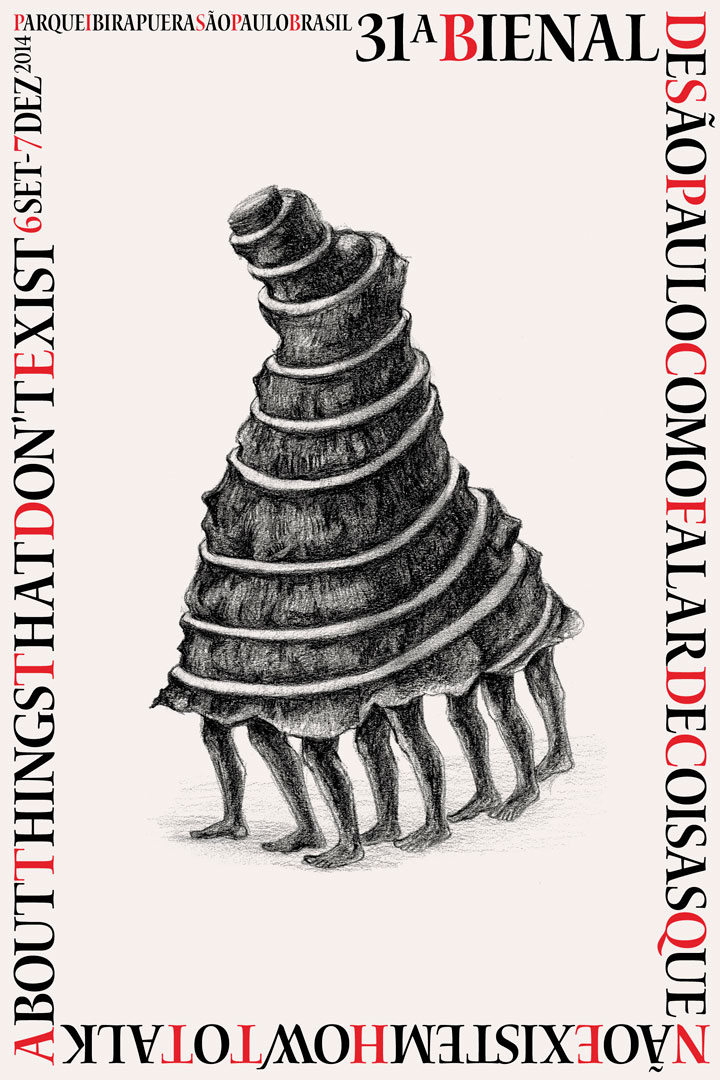



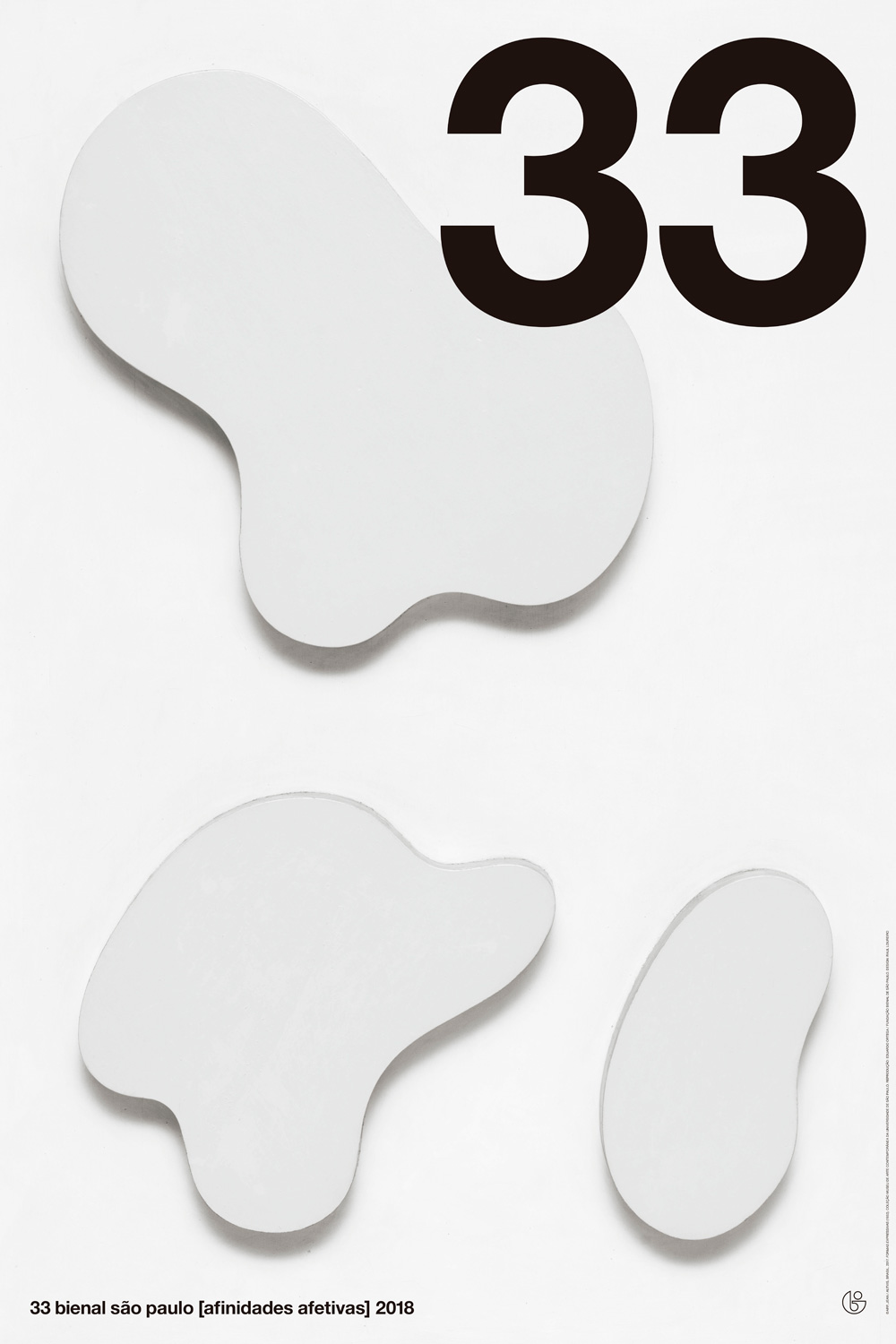
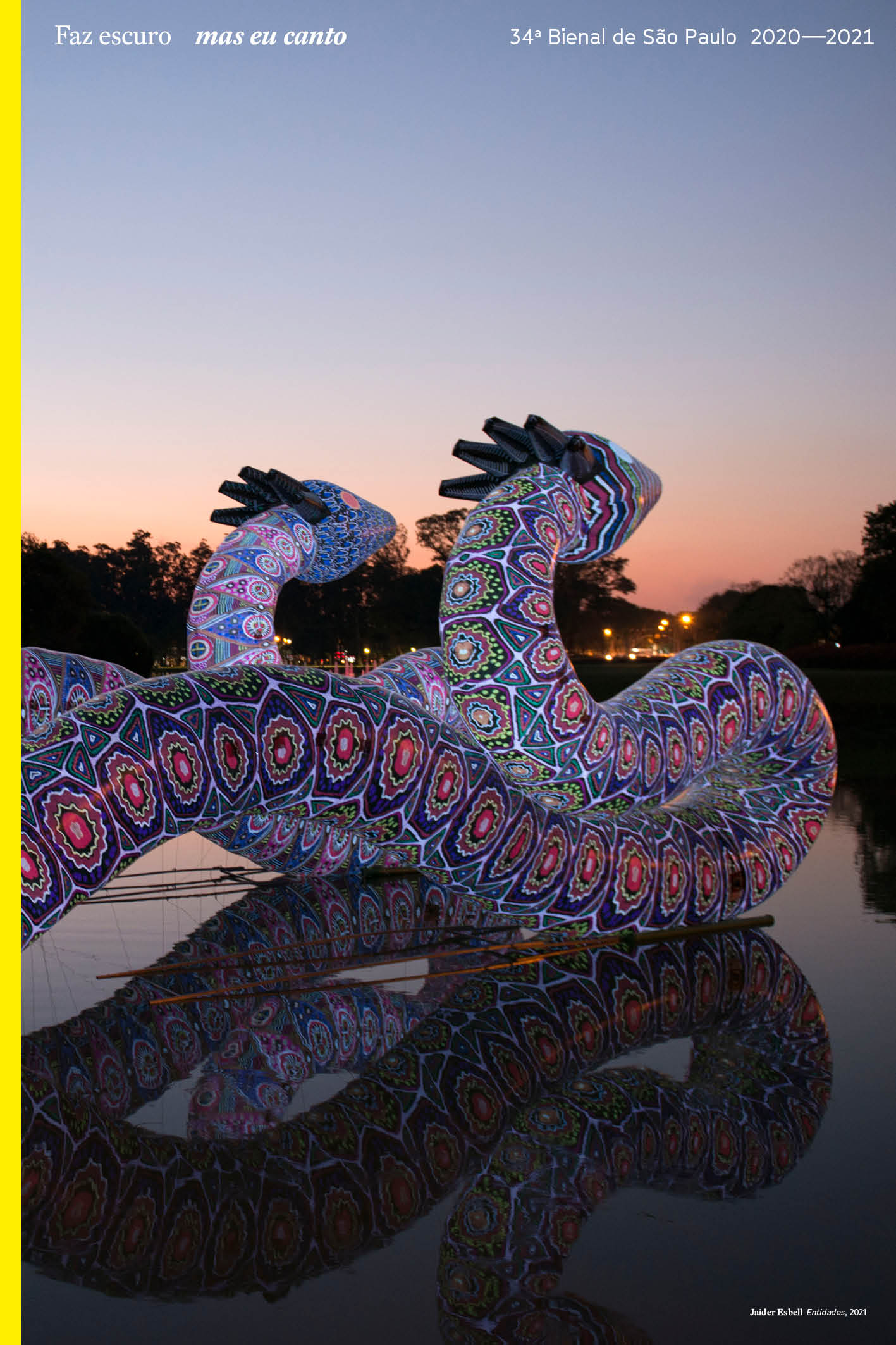
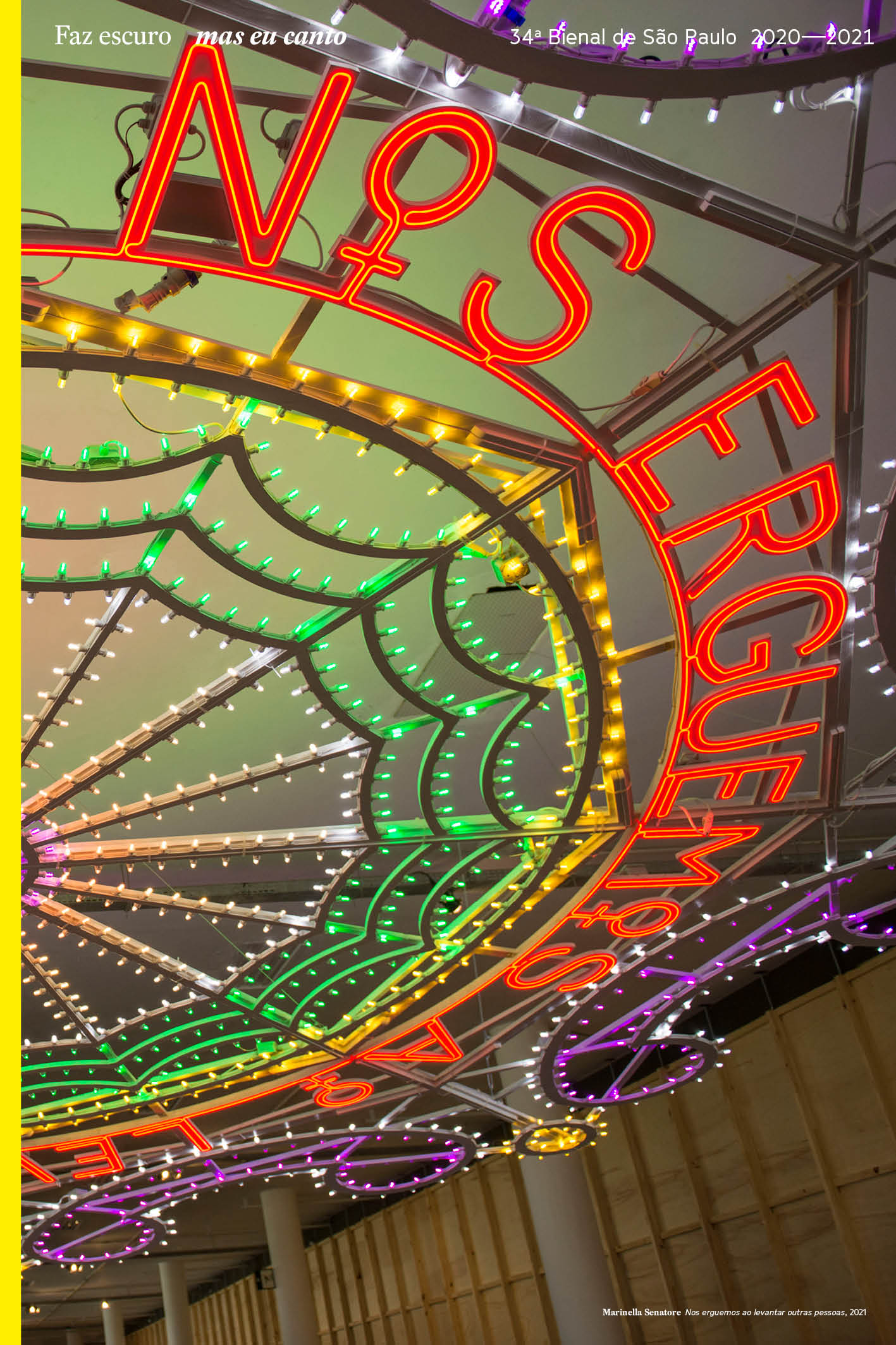
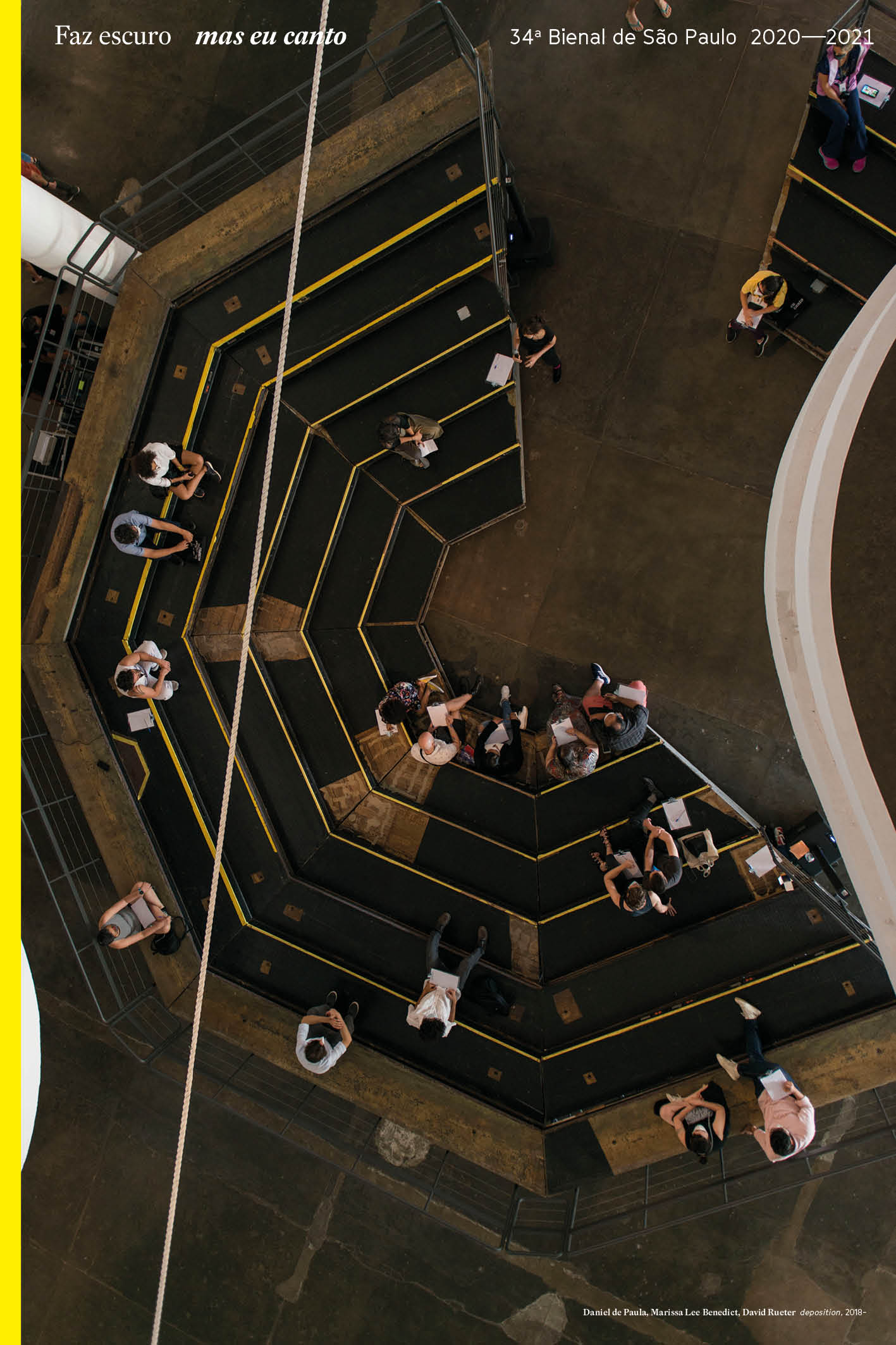
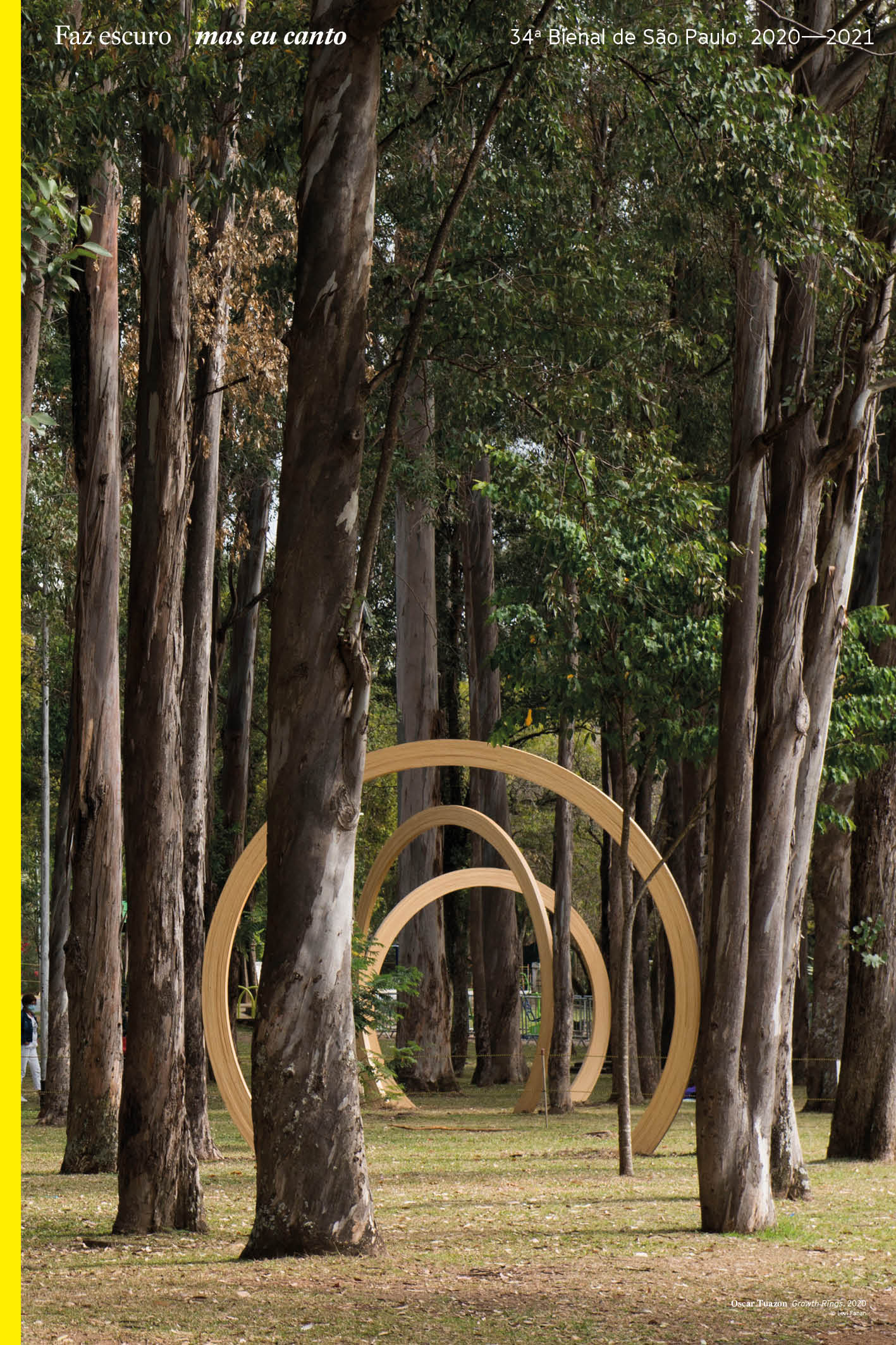
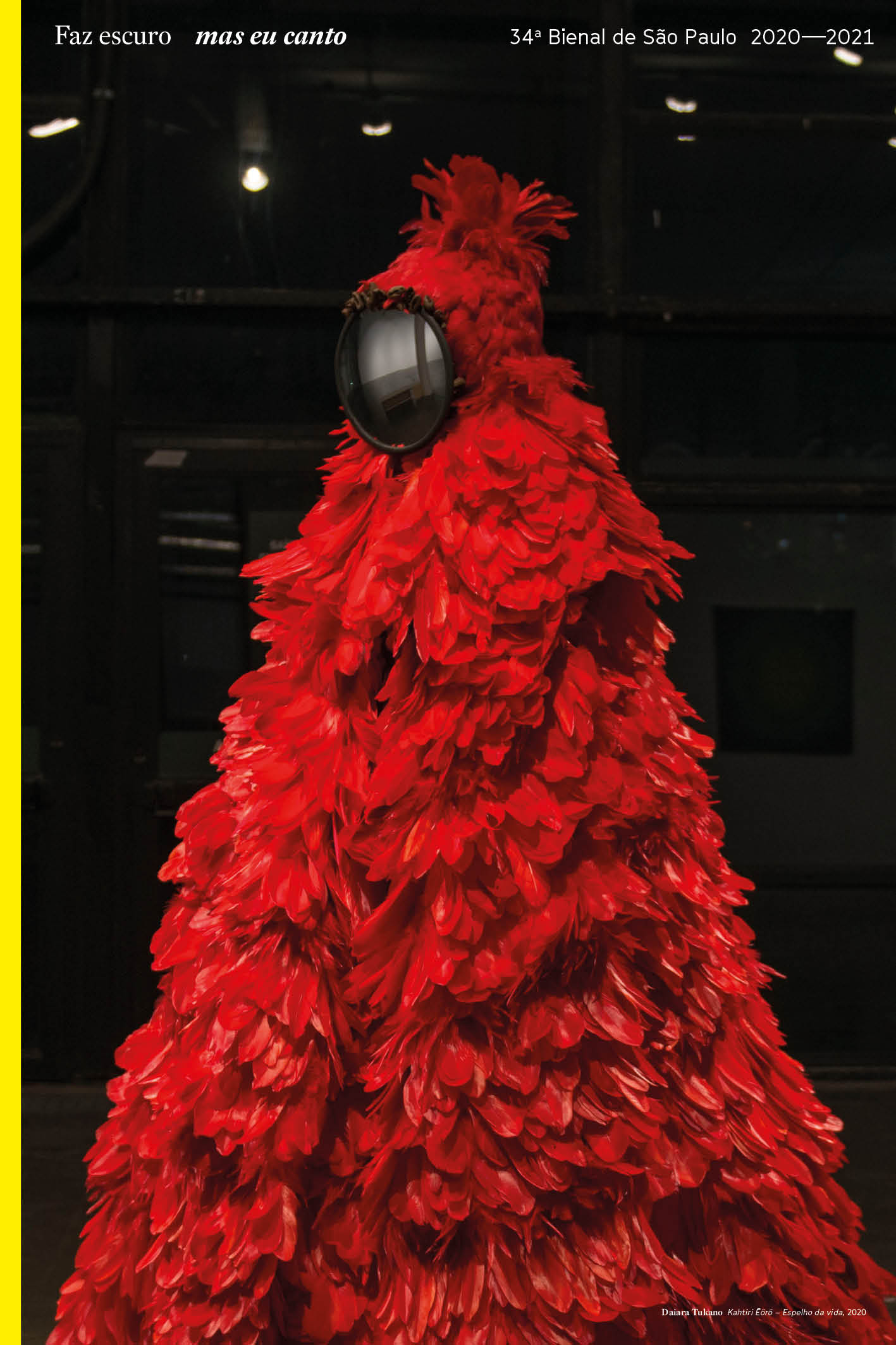
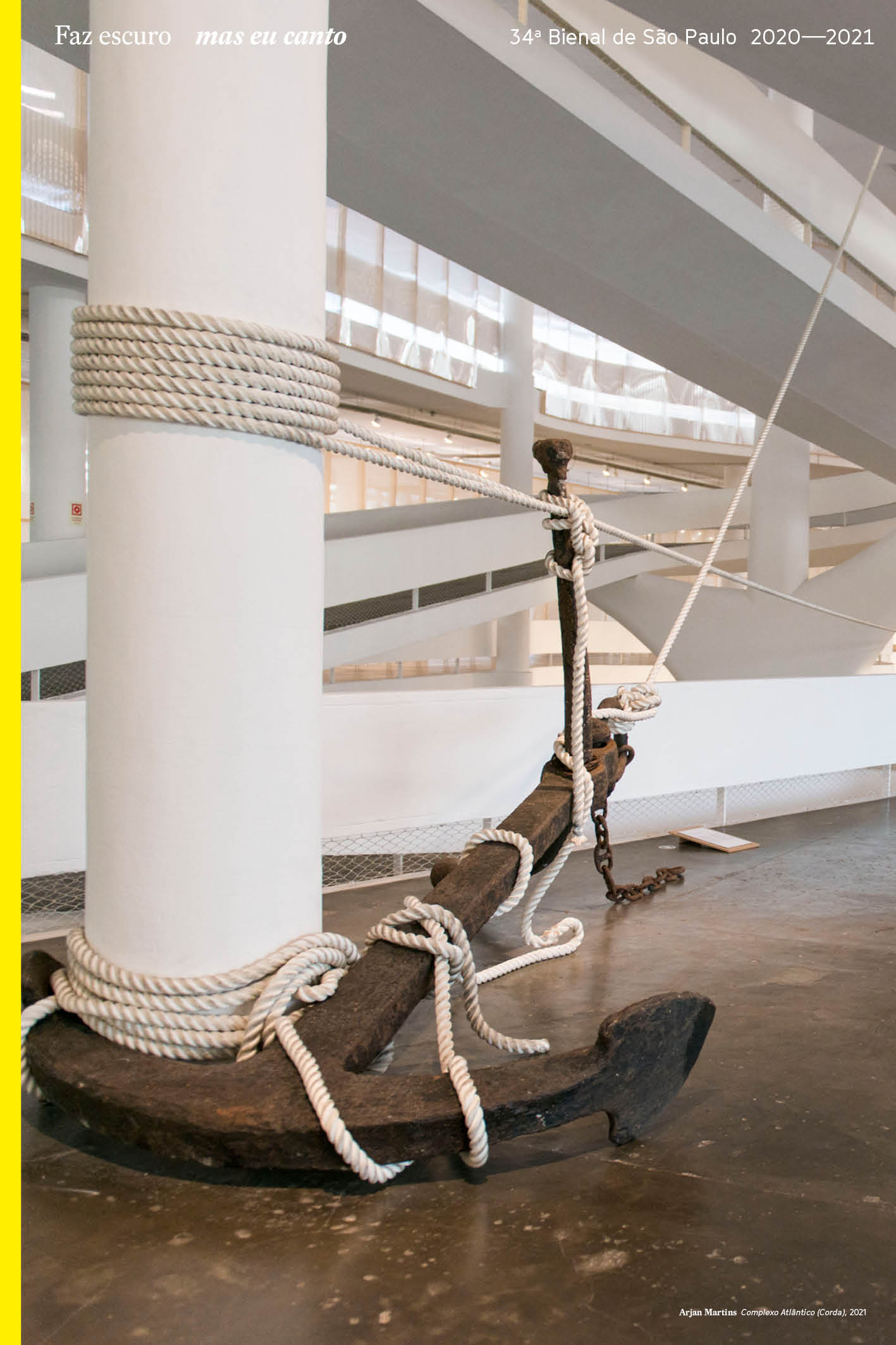
34 bienal sp

Design: Vitor Cesar / Fundação Bienal de São Paulo