- 625Artistas
- 4.131Obras
- 55Países
Fundação Bienal de São Paulo é criada no ano anterior e assume a produção das Bienais
Presidente da Bienal: Ciccillo Matarazzo
Diretor geral: Mário Pedrosa
Assessorias: Geraldo Ferraz, Sérgio Milliet, Walter Zanini (Artes plásticas); Aldo Calvo, Sábato Magaldi (Teatro); Jannar Murtinho Ribeiro (Artes Gráficas)
No júri de seleção: Sérgio Milliet, Walter Zanini
No júri de premiação: Giulio Carlo Argan, Martin Friedman (Walker Art Center, EUA)

fotos
todas as fotos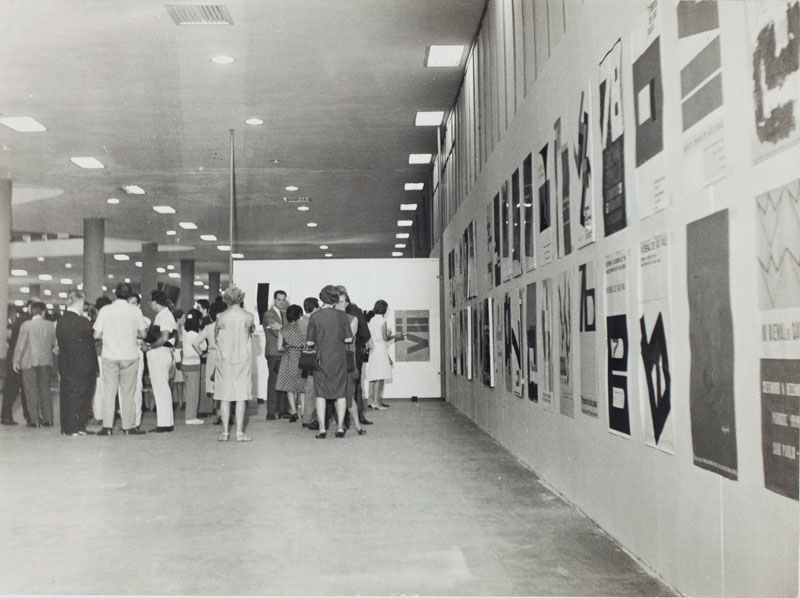
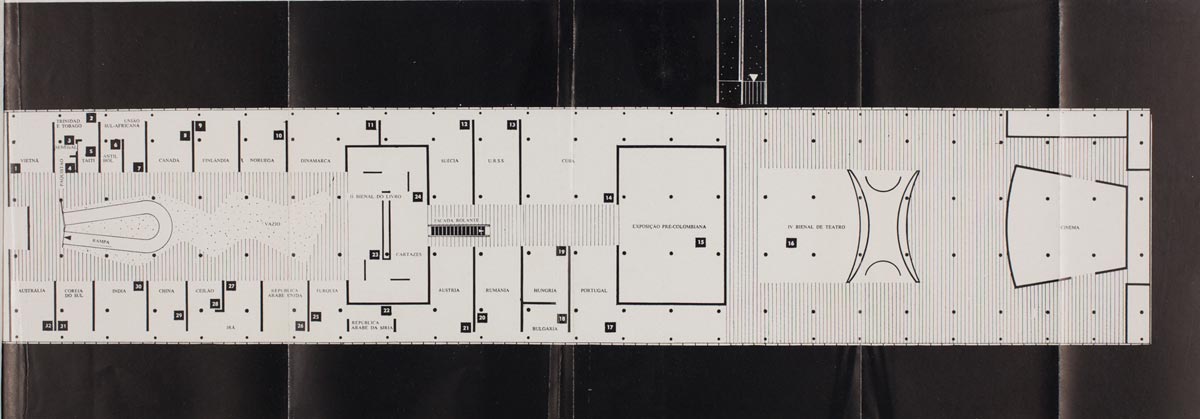
plantas
- 1
- 2 ;
- 3 ;
"[...] artistas jovens, estimulados especialmente pela exposição de gobelinos franceses realizada no Museu Austríaco de Artes Aplicadas, em 1949, começaram a dedicar-se inteiramente à tecelagem de tapeçarias. A maioria dêsses artistas, vindos da pintura de quadros de cavalete, da gravura ou do artesanato, encontraram na antiga técnica de tecer campo adequado a resolver problemas da arte de nosso tempo com material nôvo e fascinante".
MRAZEK, Wilhelm. "Tapeçarias Modernas da Áustria". In VII Bienal de São Paulo. São Paulo: Fundação Bienal de São Paulo, 1963, p.59 (catálogo de exposição)
"Não se fez, até hoje, nas Bienais de São Paulo, um plano a longo termo para a representação brasileira. Gastam-se milhões em viagens ao exterior, na organização das salas de todos os países, e não se realiza uma viagem sequer pelas capitais do Brasil para convidar este ou aquele artista com um grupo de obras para nos representar dignamente (talvez seja aparentemente mais fácil pensar: eles mandam, depois a gente escolhe)".
AMARAL, Aracy. "E a sala do Brasil?" Brasil-Urgente, 07 abr. 1963. In 30 x bienal: transformações na arte brasileira da 1ª à 30ª edição. Curadoria de Paulo Venâncio Filho. São Paulo: Fundação Bienal de São Paulo, 2013, p.99
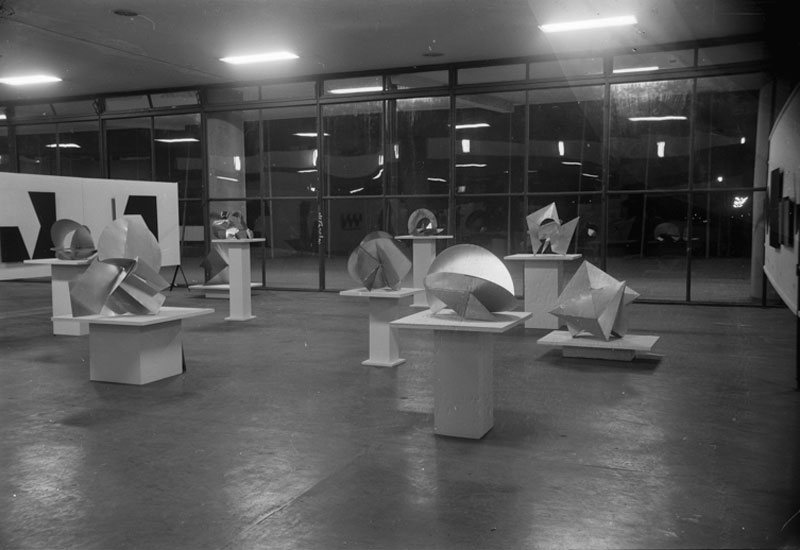
"Há, porém, nas séries escultóricas de Clark não somente um suceder canônico ou fugaz da música a vozes melódicas contínuas que se cortam e se afastam, mas também um acontecer simultâneo, vertical, da música harmônica. Tem desta, aquelas séries de dramáticas orquestrações por acordes, no jogo de sombra e luz de seus vãos e cheios, de seus espaços abertos e de seus espaços fechados, dos reflexos luminosos sobre as superfícies de suas partes, das focalizações da luz que incendeiam, por vezes os contornos de uns triângulos, quadrados ou círculos, ou os cortam a meio, a três, a um quarto, a uma íntima partícula, num canto; é um constante tecer de novas figurações interiores; apenas desta vez são impressões visuais, fantásticas, ecos sonoros, interferências raras que povoam o bloco arquitetônico no espaço de miríades de toques minúsculos, toda uma floração de vida inesperada".
PEDROSA, Mario. "Lygia Clark e os seus "Bichos". In VII Bienal de São Paulo. São Paulo: Fundação Bienal de São Paulo, 1963, p.59 (catálogo de exposição), p. 122
posts